

If you are over 40 years of age, this question is for you. Do you remember a 1997 ad that read, “if u cnt rd ths it mns u r 2 old”? I hope someone does. It’s the only way I can prove that I am not making this up. It was around the time when SMS or short messaging service started to pick up as a means of communication. Late nineties. It was not free, but that didn’t stop it from gaining popularity as a legitimate medium among the younger folks whose parents could afford to buy them a cell phone. I had won mine in a contest. It helped me stay connected to the wealthier of my friends in Chennai. But, I digress. Coming back to the advent of SMS and the disappearance of vowels, and the eventual murder of punctuation. The main setback with SMS other than that was that it was bereft of a universal code of emotions and tone of voice. A problem that soon became no problem.
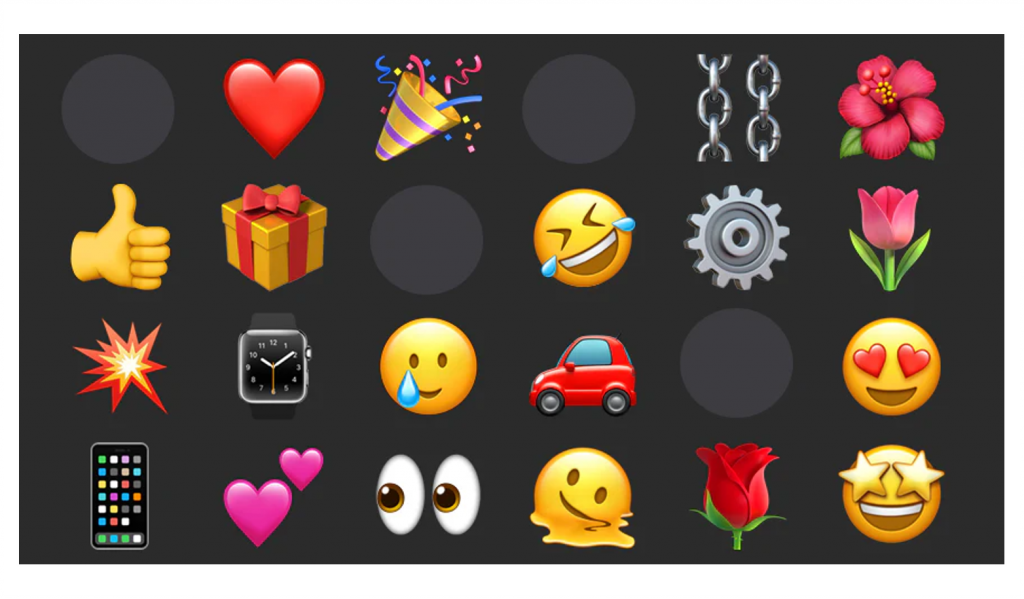
We started using the available characters on mobile phone keypads to create emoticons to express more than what text could. In the coming years, Japan introduced Emojis to the world. Emojis did not distort language. In stead, it led to the invention of a whole new language. These tiny pictures available in a variety of colours – each on their own or combined with others convey infinite ideas, feelings and messages. Along with countless abbreviations. The younger you are, the easier for you to grasp, IMHO (in my humble opinion). This new language makes the vowel less line, which I referred to in the beginning of this article, look pretty lame. That wasn’t a very hard code to crack now, was it?
The Netflix series, Adolescence is an eye opener for non-teens into the complex code associated with emojis today. Conversation with my 17 year old nieces revealed that the emoji language decoding the series offers, seems to be more specific to the UK. In India, they explain that the crying emoji, for instance, can mean 100 different things based on context. It could be happiness, irritation, sarcasm, boredom and much more. If you respond to the crying emoji with, “ what happened? Why are you so sad?”, in all likelihood you will be age-shamed and have no clue about it because it will be done in a unique language of cute pictures, you don’t get.
People in my generation always wondered why did the creators of emoji include so many seemingly random emojis? Maybe it was precisely to allow this play. Within 2 decades, meanings have been assigned to each colour of the heart and to several others emojis.
What does this mean for brands meant for teens? Emoji language is a language carved in water. With fluid rules and grammar yet very functional and compelling enough to cause murder. (Ref: ‘Adolescence’ on Netflix) It is a language that those of us programmed to view emojis from a cute lens are unable to grasp as easily. There may be merit in onboarding a teen to advise on communication creatives meant for teens. It will be a better bet than asking millennials at communication consultancies to pour over reports on Gen Z and gen alpha, religiously released by management consultancies.
The significance of emojis is that they offer a universal language which can be used to communicate among people across the world, irrespective of their native language.
Emoji language – let’s call it – Emojilese is probably more widely used than Spanish and Chinese. Sadly, it doesn’t look like it can be taught on a language learning app like Duolingo.The only two ways to truly understand it, seem to be, to be a teen yourself or to hire a teen as a translator.
The views and opinions published here belong to the author and do not necessarily reflect the views and opinions of the publisher.

