

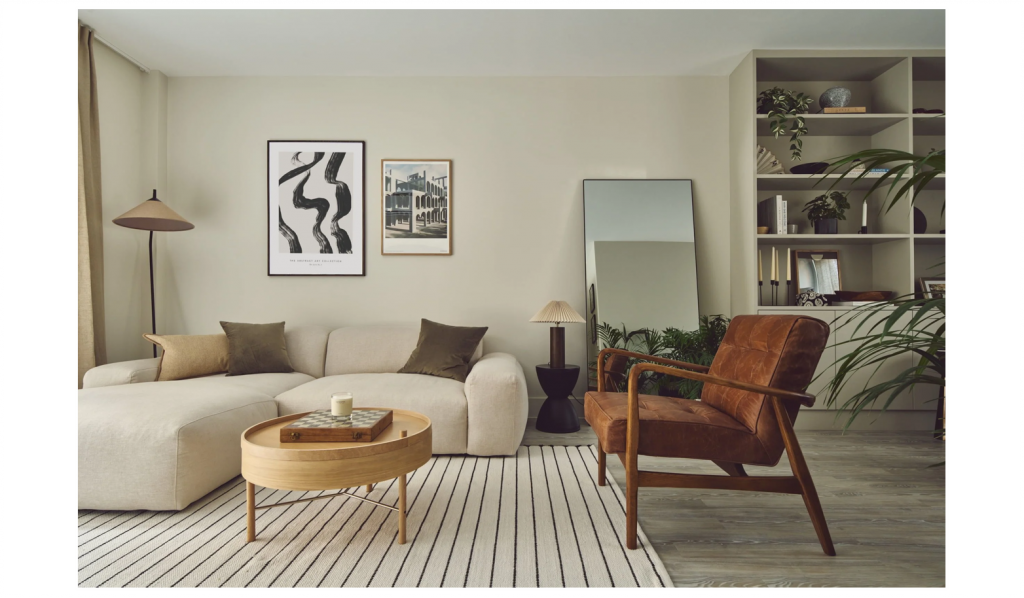
What do people of high status have? Typically, one would answer this by saying that they would own a big house or apartment in an expensive location with a few high end cars in the garage. They own the most advanced gadgets for personal care, home care, fitness etc. However, something is changing. A growing number of rich people are no longer aspiring to own expensive things. They are in fact aspiring to own as little of things as possible. No more growing collection of books, shoes or watches. There is a rising attraction towards decluttering and enjoying empty spaces and free time.
The big change? The idea of luxury. Nothing is more coveted than flexibility of one’s time and space. If this comes at the cost of giving up the desire to own things, so be it. People are recognising that the price to be paid for this luxury is to not own things. A cost many seem to be happy to pay. What more! Score of business models that have risen to the occasion and made every luxury possible available on short-commitment rental and subscription models.
From transport to couture to software to entertainment to home care services to work to play – everything is available to utilise without buying them. In various packages ranging from luxury like the Uber Black service to bike taxis. These are not choices that only the cash crunched opt for. Even very rich people are choosing to not own cars or offices for their businesses. Nothing trumps the joy of being able to change your mind whenever you like about where to live and work, how to commute and travel, who to be neighbours with, what to watch, what to read etc. All freedoms which come from refusing to own homes, cars, entertainment, and books etc.
In a culture that celebrates stories of accomplished dreams as being that of owning the best and the most expensive of items, we viewed the grit to get ahead in a cut-throat race as inspirational. This is not changing. Many are realising that these inspirations kept us all chained to a scarcity for time, autonomy and health – mental and physical. To add to this, we are increasingly unable to take unadulterated pride in ownership of these supposed status symbols. Why? Because the inconvenient truths behind blind consumerism are getting harder to ignore and our children are not letting us look away anymore. Because now it is known, more widely than ever before, that they often come at the cost of exploitation of the planet or of sections of society.
Having said all this, there are areas where ownership will never lose its merit. With ownership comes a sense of belonging. It can be a mark of a commitment towards a promise. This ad on Instagram by Oliva skincare builds a sort of funny case for ownership – of skin! It says that each time we undergo waxing, it is like renting our skin out to be able to get smooth skin. By opting for permanent hair removal, we can own our smooth skin. What we choose to own and whether we own things or not is a matter of mindsets and what makes sense financially or emotionally. It is, however, slowly ceasing to be a compulsory indicator of status.
With status symbols being accessible to rent or subscribe to, they are robbed of their earlier vanity quotient. It is becoming harder for classic high status brands to provide that sense of ‘limited edition’ exclusivity to their patrons. The main motivation for preferring non-ownership is no longer the inability to afford it.
Many HNI individuals are discovering the wisdom in and choosing not to own things. Why? Here’s a break down of the variety of reasons:
- A growing sense of environmental responsibility.
- Freedom to keep reinventing the self – de-limits choices – helps stay current and on trend.
- Flexibility to shift place of residence or business as per changing needs.
- Traffic and parking woes – the great leveller.
- Avoid additional chores of ownership – storage, maintenance, security etc.
The question becomes, what is replacing the traditional status symbols of ownership? The codes of a status symbol may or may not have changed but they are undergoing a system update.
The views and opinions published here belong to the author and do not necessarily reflect the views and opinions of the publisher.

