

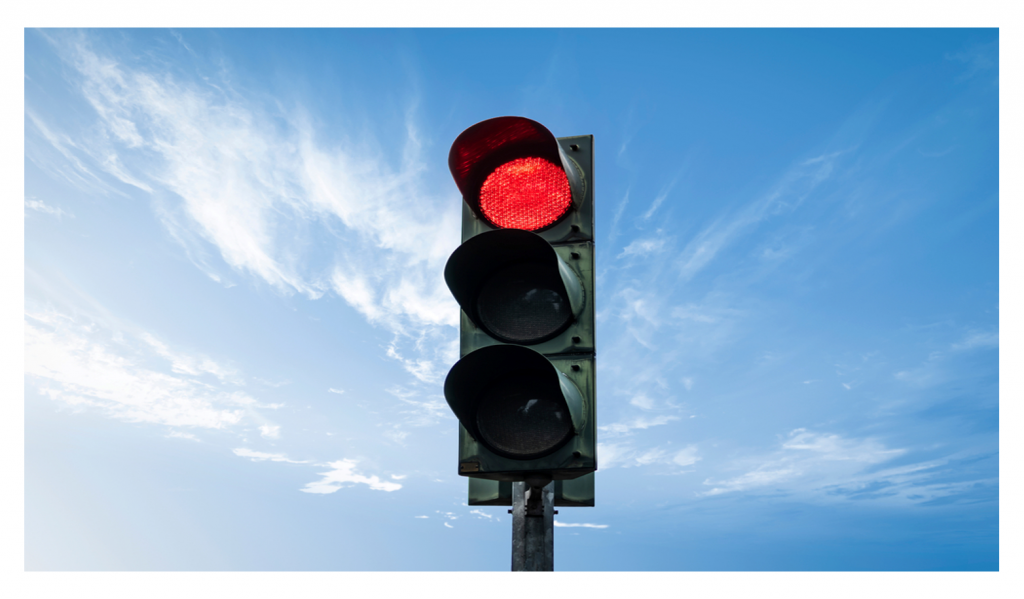
From the land of the Lal Batti, I landed back in Namma Chennai after many years. Among the many things that have changed, one that brought a smile to my face was the friendly red light at a busy intersection.
Why friendly, you may wonder. I was lost in my own world of thoughts, dancing between the memories of the past and being pulled into an uncertain future. As I looked absent-mindedly out of the car window, I was brought back into the present moment courtesy of a red heart. I noticed the ordinary red traffic light had transformed into a lovely heart.
I spent the next few drives taking pictures of these beauties and also read up a bit on this wonderful initiative. The traffic lights were installed by the Greater Chennai Traffic Police to mark World Traffic Lights Day, (August 5th) commemorating the first installation of traffic lights. The world’s first electric traffic signal was installed on August 5th, 1914 in Cleveland, Ohio. There is some dispute about who was really first – the first traffic signal (not light) which apparently was in London in 1868 could also lay claim to being the pioneer.
A little bit of googling and chatting with Chat GPT also brought to light where this idea was possibly born. The first city to introduce heart-shaped traffic lights was Akureyri, Iceland. The initiative started after the 2008 financial crisis as part of the “Smile With Your Heart” campaign to uplift the community. The city replaced traditional red stoplights with heart-shaped ones to spread positivity and hope among residents.
Maybe someone in Chennai was inspired by the idea and decided to bring it alive in a different context. A quote from the police explained the intent as follows “Motorists generally get frustrated and agitated seeing the signal turn red. By changing them to a heart symbol, we hope to reduce that. Besides, the heart symbolises kindness, calmness, love, and positivity”. I read that in Bangalore and Hyderabad, this idea came alive on World Heart Day where leading hospitals partnered with the traffic police for the initiative. In different cities, the same red traffic lights do their best to grab attention. Besides managing traffic and keeping our roads safe, they have additional layered meaning.
How did the heart-shaped traffic light touch my life? They made me smile. I was reminded that I must do what is possible to make the ordinary extraordinary. I was reminded that I have much to be grateful for. I was reminded to be present and grateful for the time with my family.
I was also inspired by the way one can take something that is taken for granted, and transform it into something special. The pedestrian traffic light (pun intended) that is often a cause of agitation and irritation to many, can be transformed into something that makes me stop and smile. Instead of racing to beat the red light, maybe the red heart can be a reminder to pause and remember my loved ones with gratitude.
Human beings are meaning machines. We look for meaning in everything. I found my way out of my head and got in touch with my heart at a traffic light in Chennai. It brought alive admiration for the creative soul who made the red lights transform into something nice. It also reminds me that an idea born in Iceland can travel to the warm shores of Chennai. The power of the red heart to touch a person who is lost in thought and happens to through a car window is something that can happen around the world. This red heart could inspire hope and light up my life – this is the power of communication.
A red traffic light to me now means “pause and be present with gratitude”. Context and meaning are the ingredients that help make memories. Our memories then collectively make a sense of self and shape who we are and how we act and interact in this world. This is why stories are so powerful in shaping human behaviour as they provide both context and meaning. This is also why pausing and being present is so important.
What do you see, when you look at a traffic light?
The views and opinions published here belong to the author and do not necessarily reflect the views and opinions of the publisher.

