

World Marketing Day is today, May 27. It’s a day to think about how marketing has changed businesses, cultures, societies, and everyday life. It’s time for marketers and advertisers to celebrate their accomplishments, recall what industry experts taught them, and keep up with what’s new every day. Philip Kotler is the first person who comes to mind when someone talks about marketing. People call Kotler the “Father of Modern Marketing.” Another famous business person is Peter Drucker. He said, “The purpose of business is to create a customer,” which shows how important marketing is to business strategy. These two smart folks taught us that marketing isn’t only about promoting; it’s also about knowing what people want and giving it to them.
Permanent Lessons from Philip Kotler
Philip Kotler’s work in marketing is both basic and new. Marketers have used his 4 Ps framework—Product, Price, Place, and Promotion—for decades. Kotler included “People,” “Process,” and “Physical Evidence” to show how important experience and service design are becoming in marketing. Kotler’s emphasis on segmentation, targeting, and positioning (STP) may have been more crucial. These ideas are still useful for businesses to find their greatest clients and talk to them. He suggested holistic marketing, which says that every department should be involved in marketing, not just one.
More and more firms are thinking this way to make sure that customers always get the same smooth experience. Kotler also said that marketing should have a clear goal. His later books, especially Marketing 3.0 and 4.0, focused on marketing that is based on values and people, where businesses deal with social issues, connect with customers on an emotional level, and use technology in a responsible way.
How Marketing Has Changed Over the Last 20 Years
In the past 20 years, marketing has changed a lot. In a media world controlled by technology, AI, analytics, and algorithms now set the course for strategy. Social media connects people and builds, tests, and brings back brands in real time.
This led to the rise of data-driven marketing. Marketers today utilise data to divide their audiences, figure out how customers move through the buying process, and measure how well their campaigns are doing. Marketers may use big data and AI to tailor their messages to each person’s preferences, dislikes, and needs. Another important method is content marketing. Instead of selling, brands today want to teach, entertain, and connect. Storytelling is the newest way to sell things. In a competitive and skeptical market, material generates trust when used alongside influencer marketing, video, and interactive forms.
Problems with marketing today
Marketing has become better, yet there are still problems. Too much information is probably the most important thing. People get so many messages that attention is the most valued thing (and the hardest to achieve). It takes more than inventiveness to get through the noise. Also needed are real and useful. Marketers have had to change how they gather and use personal data because of privacy concerns and laws like GDPR and CCPA. This change has made it tougher to personalise and more important to follow the rules, but it has also made people more accountable. Another problem that is hard to fix is confidence in customers.
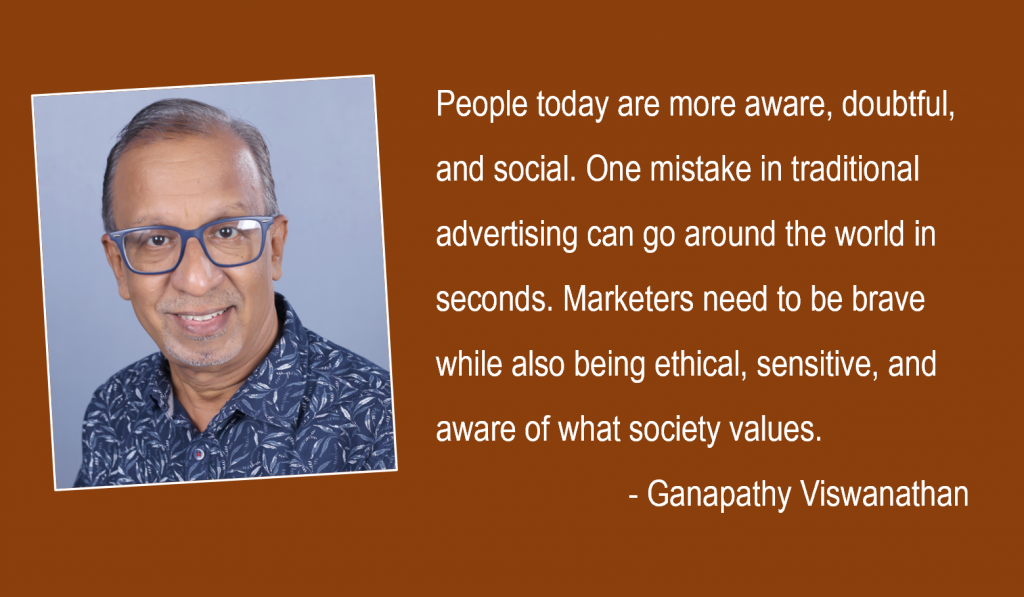
People today are more aware, doubtful, and social. One mistake in traditional advertising can go around the world in seconds. Marketers need to be brave while also being ethical, sensitive, and aware of what society values. Don’t think that technology is easy. It’s hard to keep up with Martech innovations, AI integrations, and platforms because they change so often. A lot of teams have trouble picking the correct tools and making sure they all work well together.
Where Are We Going in Marketing?
It looks like marketing in the future will be great and will alter a lot. AI will still be very important for chatbots, recommendation engines, predictive analytics, and generative content. Marketers will need AI to be more efficient and connect people. Voice and visual search are becoming more popular, which will affect SEO and content preparation. As smart assistants grow increasingly common in homes, marketers need to be more conversational and purposeful with them. Marketing with a purpose is growing. Gen Z and Gen Alpha are concerned about being real, being honest, and being environmentally friendly. Their purpose is significant, not just a way to get publicity, because they support brands that share their ideals. Finally, marketing will go from talking to people to creating experiences. The best firms don’t only sell things; they also offer memorable experiences with both physical and digital connections.
Honouring the Spirit of Marketing
We know that marketing can do more than make money on World Marketing Day 2025. It helps people get along, fixes problems, and motivates people to make changes. This field combines art, science, logic, strategy, and understanding. Stay curious about new things and follow Kotler and Drucker’s advice to do marketing that is ethical, value-driven, and makes a difference. Kotler said, “You can learn marketing in a day.” Sadly, learning takes a long time.
The views and opinions published here belong to the author and do not necessarily reflect the views and opinions of the publisher.

