

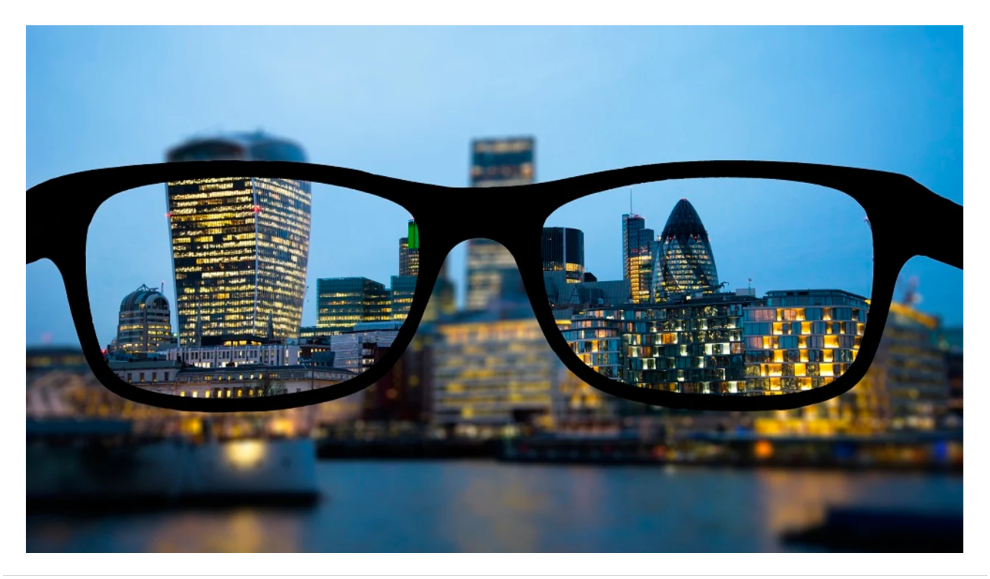
Do you wear glasses? You would be considered lucky if you don’t need to. However with a new classification of glasses emerging, we will most likely be envied if we wore them. So far, predominantly worn by people such as yours truly to be able to function like the lucky people with perfect vision, our glasses have often made us the butt of the joke. With nicknames such as ‘four eyes’ or ‘ey chashmish!’ (in Hindi).
Alongside this comic drama, existed the stylish cousin of these nerdy glasses – the sun shades or goggles – glasses created to reduce the strain caused by harsh sunlight on our eyes and magically boost our self confidence infinitely. One would think clear vision should give you that, but humans work in mysterious ways.
From enhancing our own sight and the sight we make to now being promoted to an even higher post, glasses have made a fascinating journey. Today they are improving every aspect of life by enabling augmented reality to transport us to a different world – or should I say reality. The applications of this technology in glasses are endless. Most relevant to marketers is that of offering spectacular brand experience, sitting in one place.
Being technology-led, this class of glasses is championed by tech giant companies such as Apple, Google, Meta and Microsoft and a few promising start-ups such as Vuzix. However, with the introduction of Ray-Ban | Meta, the boundaries between legacy glass companies and new-age digital glass companies have been erased. A boundary showing early but very late signs of disappearance in the advertising industry.
I picked the Ray-Ban | Meta example while illustrating the integration of the varied functionalities of glasses into a single device to draw attention to a key marker of the times – from competition to collaboration. When we felt threatened by something new that could make us redundant, the urge was to dismiss it or compete with it but today the way we roll is to collaborate for a win-win-win. (The third ‘win’ is for the consumer)
Ray-Ban joining hands with Meta is a great example of leveraging the familiar to introduce the unfamiliar. It is the other reason why I chose this example. Given the times we are collectively navigating requires us to shed old practices and adapt to new tech, the best way to aid adoption of the new is via the familiar. From the user experience (UX) point of view (pun very much intended), be it for vision, sun comfort, or augmenting reality, one still has only one pair of eyes to experience it all with. It is common sense to have all these features packed effectively into one and the same piece.
I met one gentleman, here in Bangalore, a few weeks ago, who had these glasses on throughout our meeting – they looked like regular shades. I had no idea that he was donning one of the coolest cooling glasses until the moment we all huddled for pictures. That is when he got a chance to showcase his Ray- Ban Meta eye piece. It allowed him to click pictures without using an external camera. He just needed to look at what he wanted to shoot and lightly tap on one side of his eye-glasses to click. They are Bluetooth-enabled for phone calls and listening to music and more while the phone stays in your pocket. It even comes with built-in storage. What impressed me the most, still, was that it looked like a pair of regular shades. I have often wondered why all those AR glasses designed by tech companies are bulky. I guess when you are creating world altering technology, aesthetics is not top priority. Jokes aside, I am pretty sure, there’s a functional purpose for the size.
Glasses originally helped us see better. Today they help us see more. Beyond what’s in front of our eyes. Technology is like magic. In a world of diminishing trust in advertising and marketing and brand messages, this magic can help us connect with people in newer ways while the consumers stay in charge of what they want to know and see, when they want to. Brands need to cater to the consumer in charge, behind smart glasses. A new generation of glasses are emerging for a new generation of consumers. Glasses that help see clearly, provide UV protection, look cool and make efficient living convenient.
The views and opinions published here belong to the author and do not necessarily reflect the views and opinions of the publisher.

