

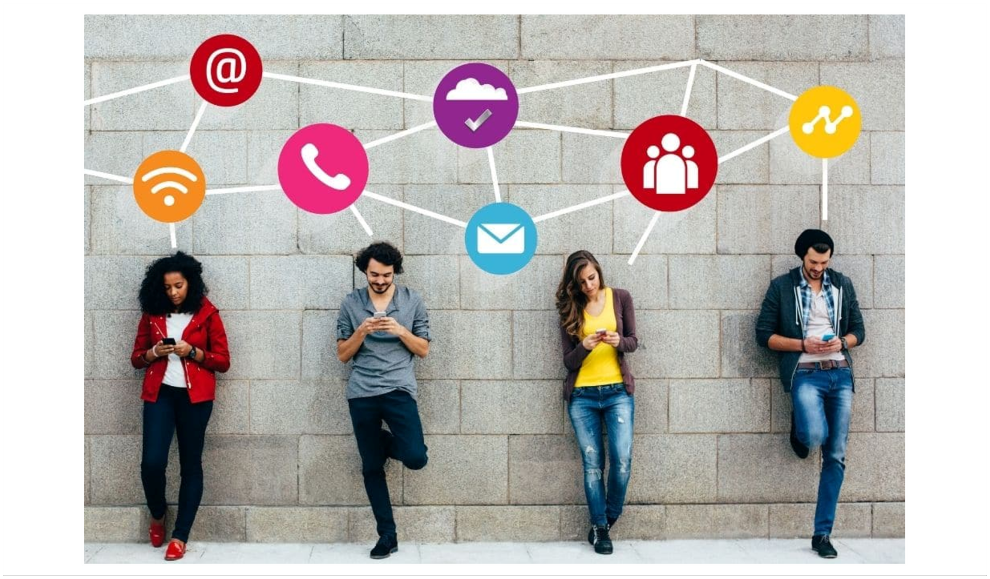
Social Media – once primarily a platform for personal interactions and entertainment – has evolved into a dynamic space where social issues are spotlighted, voices are amplified, and collective action is inspired. With billions of active users across platforms, social media offers unprecedented opportunities to drive social change by fostering dialogue, influencing opinions, and galvanising communities toward meaningful action.
One of the most significant strengths of social media is its ability to democratise the flow of information. In traditional systems, advocacy relied heavily on gatekeepers such as media houses, publishing platforms, or political structures. Today, social media allows individuals, especially those from marginalised or underrepresented groups, to share their experiences, ideas, and demands directly with a global audience. By providing real-time visibility to issues that may otherwise go unnoticed, social media empowers citizens to bypass traditional barriers and influence public discourse.
Equally important is the speed at which information can travel across digital platforms. In times of crisis – whether natural disasters, social injustices, or humanitarian emergencies – social media enables rapid dissemination of information, raising awareness and mobilising resources almost instantly. Campaigns such as #PrayForNepal after the 2015 earthquake or #COVID19Relief during the pandemic exemplify how social media can unite individuals and organisations across geographies to support causes and provide immediate assistance. This agility is crucial in advocating for social change because it ensures issues remain visible and relevant in a fast-moving world.
Social media also plays a critical role in shaping narratives and influencing perceptions. Through storytelling, visual content, and lived experiences, individuals and organisations can humanise complex issues, making them more relatable and accessible. For example, sharing stories of individuals impacted by gender inequality, climate change, or systemic poverty transforms abstract statistics into compelling calls for action. The ability to connect emotionally with audiences creates a sense of urgency that drives people to support, donate, or volunteer for social causes.
Moreover, social media facilitates community-building, providing spaces where like-minded individuals can connect, collaborate, and strategise for collective impact. Online groups, forums, and communities allow everyone to share resources, exchange ideas, and coordinate actions across borders. These digital networks amplify the strength of movements by ensuring that it is not limited to a single region but becomes part of a global conversation. For example, youth activists leading climate strikes in Sweden were able to connect with peers in Africa, Asia, and Latin America, ensuring that the climate movement represented diverse voices and perspectives.
Another key advantage is the ability of social media to hold institutions, governments, and corporations accountable. Public pressure generated through viral campaigns can compel organisations to respond to demands for justice, inclusivity, or reform. For instance, consumer-driven movements that call out unethical practices, environmental violations, or lack of diversity often gain momentum on social media. This form of digital accountability strengthens democracy by ensuring that institutions remain responsive to the needs and concerns of citizens.
At the same time, social media provides an avenue for partnerships and collaborations between grassroots organisations, civil society, and global institutions. By amplifying the voices of local communities, these platforms create opportunities for funding, advocacy partnerships, and policy influence that may not otherwise be possible.
However, it is essential to acknowledge that using social media is not without challenges. The very speed and openness that make social media powerful also create risks of misinformation, online harassment, and performative activism. Movements can lose credibility if campaigns lack authenticity or appear to be driven more by trends than genuine commitment. Furthermore, access to digital tools is not equitable; digital divides mean that marginalized communities in low-resource settings may still struggle to fully participate in online advocacy. Addressing these challenges requires responsible use of platforms, fact-checking, and inclusive strategies that ensure diverse voices are heard.
Despite these challenges, the potential of social media to influence social change remains unparalleled. When used strategically and ethically, it becomes more than a tool for communication – it evolves into a platform for empowerment, accountability, and transformation. Social media’s role in amplifying voices, shaping narratives, building communities, and driving accountability highlights its centrality in modern advocacy efforts.
In conclusion, social media is not just a platform for expression; it is a catalyst for impact. It gives individuals the power to amplify their voices, communities the means to mobilise, and institutions the push to be accountable. By leveraging its reach and immediacy, social media allows advocacy to extend beyond borders, making global solidarity possible. If used responsibly, it has the capacity to transform awareness into action and action into long-term change. In an era defined by digital connectivity, the fight for social justice and equality increasingly finds its home online, reminding us that every click, share, and post can contribute to shaping a better world.
The views and opinions published here belong to the author and do not necessarily reflect the views and opinions of the publisher.

