

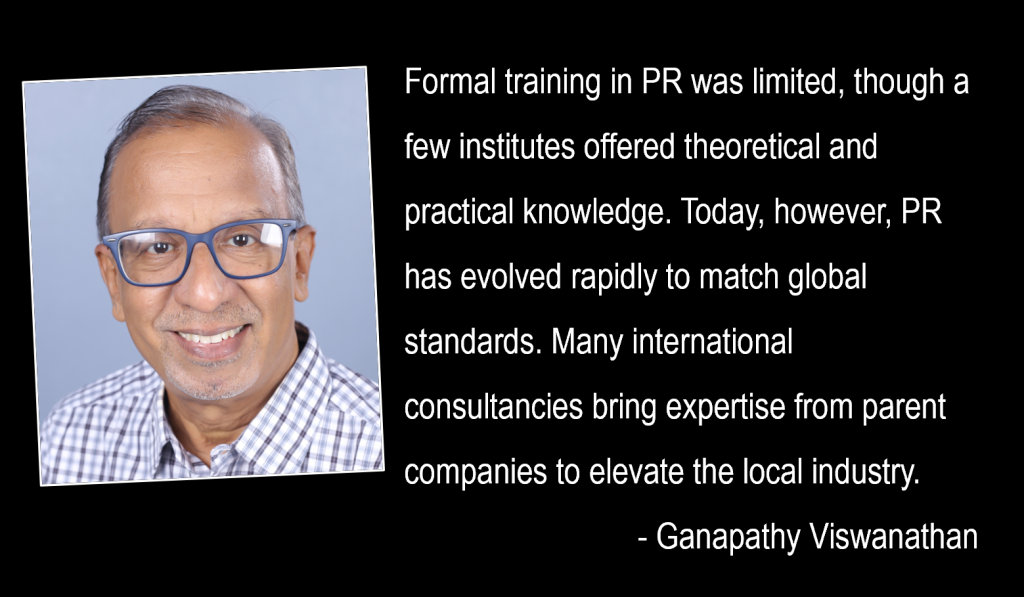
While I have not spent my entire career in PR, my extensive experience in the business of communication has taught me several valuable principles of the field.
When I entered the world of advertising in the early to mid-1980s, the industry was evolving rapidly. The media landscape was expanding with the arrival of Doordarshan, but PR was still in its infancy. I remember Ogilvy PR and possibly IPAN from HTA making early forays into the PR business by offering services beyond traditional mass media advertising.
The PR business gradually began to catch up. Consultancies like Adfactors PR, Clea, and Concept entered the PR space as IPOs became popular, with more companies entering the financial market to raise capital. Before raising funds, these companies wanted to build a strong corporate image. You could call it “image building before the major issue.” Most of this work was done through print media, press conferences, broker conferences, and investor relations. Merchant bankers played a key role in managing these efforts, advising clients from start to finish.
At that time, formal training in PR was limited, though a few institutes offered theoretical and practical knowledge. Today, however, PR has evolved rapidly to match global standards. Many international consultancies bring expertise from parent companies to elevate the local industry. These are some 20 tips that may be useful to starters who are keen to step into the PR world.
20 Key Tips for Launching a Career in PR
- Cultivate a passion for reading and writing
Strong reading and writing skills are foundational. Reading keeps you informed, while writing allows you to communicate ideas clearly and persuasively. - Track business news daily
Follow journalists and publications across different sectors to understand trends, identify opportunities, and anticipate media needs. - Maintain a media diary
Record journalists’ beats, contacts, and work to plan effective outreach and tailor your communications strategically. - Build purposeful media relationships
Engage with journalists with clear goals in mind. Aim to add value for both your client and the media professional. - Spot editorial opportunities
Proactively identify chances for your client to be quoted, cited, or featured, demonstrating foresight and initiative. - Brief your spokesperson thoroughly
Provide a detailed briefing book to ensure your client is fully prepared for interviews or media interactions. - Record and transcribe interviews
Capturing conversations ensures accuracy, prevents misunderstandings, and supports effective follow-ups. - Set expectations early with clients
Clarify objectives, deliverables, and boundaries at the start of any campaign or media engagement. - Be adaptable ,agile and proactive
PR moves fast. Anticipate changes, manage crises efficiently, and seize opportunities before competitors do. - Understand your client’s industry more in detail
In-depth knowledge helps craft compelling narratives and anticipate challenging questions. - Leverage social media strategically for faster engagement
Modern PR blends traditional and digital channels. Build a strong online presence for your client to maximise visibility. - Measure impact to know ROI from campaigns
Track media coverage, sentiment, and engagement metrics to provide tangible evidence of success. - Network across industries
Attend events, conferences, and seminars. Cross-industry relationships often unlock unexpected opportunities. - Develop crisis management skills
Prepare response plans, key messages, and rapid decision-making strategies for sensitive situations. - Commit to continuous learning
Stay ahead by attending workshops, webinars, and reading industry publications. PR is always evolving. - Master storytelling
Learn to craft compelling stories that resonate with audiences. Emotional and memorable narratives often generate the most media attention. - Hone presentation skills
PR professionals must often pitch ideas, speak to groups, or represent clients. Confidence and clarity are key. - Embrace digital tools and analytics
Familiarise yourself with PR software, media monitoring tools, and analytics platforms to improve efficiency and demonstrate results. - Understand SEO and content strategy
Knowledge of search trends and online content optimisation can amplify your client’s visibility in digital channels. - Practice ethical PR
Maintain honesty, transparency, and respect for media, clients, and the public. Reputation is everything in PR.
In conclusion, a career in public relations is a dynamic blend of strategy, communication, and relationship-building. As PR continues to shape public perception and influence how brands connect with audiences, the industry is evolving rapidly with new technologies, social media trends, and data-driven approaches. By honing your skills, staying informed, and adapting proactively to these changes, you can successfully navigate the shifting media landscape and build a rewarding, future-ready career in PR.” There are many opportunities in the world of PR as clients who believed very strongly in paid media is now shifting gears to earned media.
The views and opinions published here belong to the author and do not necessarily reflect the views and opinions of the publisher.

