

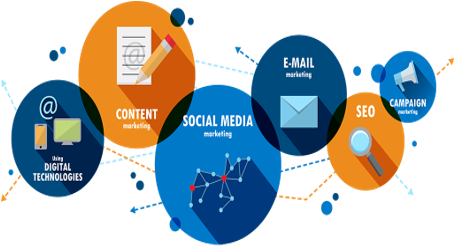
The shift from campaign-based thinking to ecosystem approaches represents one of the most significant strategic evolutions in modern communications. While campaigns create valuable short-term impact, content ecosystems generate sustainable stakeholder engagement that compounds over time. The most sophisticated PR professionals have learned to think beyond individual initiatives to build interconnected content systems that serve multiple objectives simultaneously.
After years of developing campaigns and increasingly focusing on ecosystem development, I’ve observed that this strategic shift fundamentally changes how we plan, create, and measure communication effectiveness.
The Ecosystem Mindset
Interconnected content serves multiple purposes and audiences rather than single, narrow objectives. A thought leadership article might attract potential customers, support sales conversations, enhance employee pride, and position executives as industry experts simultaneously. Ecosystem thinking identifies and optimizes these multiplier effects.
Map content relationships explicitly. How does your social media content support website traffic? How do customer stories reinforce product messaging? How does employee communication amplify external brand building? Understanding these connections enables strategic optimization that increases overall ecosystem effectiveness.
Evergreen foundations provide lasting value rather than time-limited campaign relevance. While timely content addresses immediate opportunities, evergreen resources continue attracting, educating, and engaging stakeholders long after creation. Build content libraries that remain relevant and discoverable across extended timeframes.
The Architecture Framework
Hub and spoke models organize content around core themes or resources that anchor related content pieces. A comprehensive guide to industry trends might serve as hub, with blog posts, social content, webinars, and case studies functioning as spokes that drive traffic back to the central resource while serving specific audience needs.
Content pyramids structure creation from limited high-investment flagship pieces that generate multiple derivative assets. One in-depth research report might produce executive summary, infographic, blog series, social content, speaking topics, and media pitches. This approach maximizes return on content investment while ensuring message consistency.
Journey mapping aligns content with stakeholder progression from awareness through consideration to decision and advocacy. Different content serves different journey stages, with ecosystem effectiveness depending on comprehensive coverage rather than gaps that lose stakeholders at critical progression points.
Distribution Sophistication
Platform optimization recognizes that different channels require different content approaches while maintaining strategic consistency. LinkedIn content emphasizes professional insights, Twitter focuses on quick reactions and thought leadership, while longer-form content lives on owned platforms.
Stop creating generic content and hoping it works everywhere. Develop platform-specific versions that honor each channel’s unique audience expectations and consumption patterns while reinforcing core strategic messages.
Amplification systems ensure content reaches intended audiences rather than languishing undiscovered. Build internal advocacy programs, media relationship strategies, influencer partnerships, and paid distribution approaches that extend organic reach while maintaining authentic engagement.
Measurement Evolution
Ecosystem metrics track overall system health rather than individual content performance alone. Monitor content portfolio diversity, coverage across stakeholder journey stages, topic authority development, and compound engagement patterns over time.
Attribution modeling connects ecosystem performance to business outcomes, acknowledging that conversion rarely follows linear paths. Multiple touchpoints influence decisions, with ecosystem value emerging from cumulative impact rather than single interaction effectiveness.
Content Intelligence Application
Performance analysis identifies which content types, topics, and formats resonate most strongly with different audience segments. Use these insights to inform content strategy refinement, resource allocation, and capability development priorities.
Gap identification reveals where your content ecosystem fails to serve stakeholder needs or support organizational objectives. Are you missing content for specific journey stages? Do certain audience segments lack relevant resources? Where do competitors provide content experiences you don’t?
Building Sustainable Systems
Content operations establish processes, tools, and team structures that enable consistent ecosystem management rather than sporadic campaign execution. Develop editorial calendars, governance frameworks, and production workflows that support ongoing content development.
Capability development ensures your team possesses skills needed for sophisticated ecosystem management – content strategy, SEO optimization, multimedia production, analytics interpretation, and continuous optimization.
The Long-term Value Creation
Content ecosystems create compounding returns that individual campaigns cannot match. Each new piece enriches the overall system, improves discoverability, and increases stakeholder engagement probability. Over time, well-managed ecosystems become organizational assets that generate sustained value with decreasing marginal effort.
The strategic shift from campaigns to ecosystems requires different thinking, planning, and execution approaches. But organizations that master ecosystem development gain sustainable communication advantages that transform stakeholder relationships and business outcomes.
________________________________________________________________________________________________________
The views and opinions published here belong to the author and do not necessarily reflect the views and opinions of the publisher.