
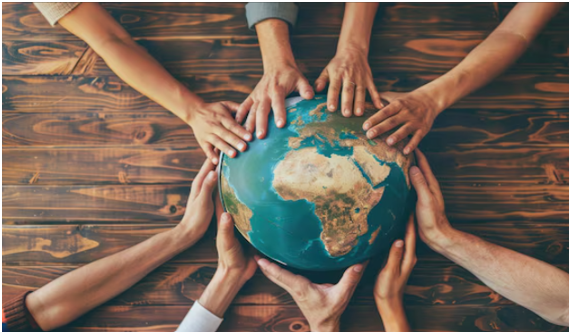
The workplaces in the Gulf are living mosaics of cultures, where people from dozens of nationalities come together with stories shaped by language, heritage, and personal journeys. In cities like Dubai, Doha, Riyadh, and Muscat, this diversity fills offices with multilingual conversations, varied viewpoints as well as global insights. Such environments make the old idea of “culture fit” feel limiting. Expecting everyone to match a single identity overlooks the richness that difference brings. As Gulf economies continue to rise as global talent destinations, companies are embracing a more expansive approach to team building. They are significantly turning diversity into a shared strength while guaranteeing that every individual’s uniqueness remains visible and valued.
Reframing the Gulf Workplace: From Fit to Add
The demographic richness of the Gulf creates an opportunity to rethink established mindsets. With expatriates forming a large share of the workforce and indigenous populations adding layers of linguistic and cultural richness, teams embody a dynamic spectrum of worldviews. This environment naturally fosters varied thinking, sharper problem-solving, and greater innovation. When perspectives increase, decisions become more informed as well as reflective of diverse stakeholders.
However, the shift from “fit” to “add” is not just conceptual; it is structural. It requires team-building practices that surpass surface-level inclusion. The region’s leadership styles provide a starting point. While the Arab Middle East is often characterised as high in power distance, many leaders blend traditional authority with modern participative approaches. Open-door cultures are common. Moreover, healthy disagreement is encouraged when it brings expertise to the table.
In such settings, cultural add thrives when employees feel safe to express differences instead of masking them. Team building must therefore be designed to nurture this comfort.
Building Inclusive Teams Through Communication, Mentorship, and Cultural Fluency
Communication serves as the foundation of productive multicultural teamwork in the UAE. English may be the common language. Nevertheless, it is not the first language for most, making clarity indispensable. Simple wording, reflective listening, and open moments for questions reduce uncertainty and build confidence. Consistent check-ins and digital collaboration tools keep everyone connected, irrespective of language or time-zone constraints.
Cultural fluency also plays a defining role. Understanding how norms shape feedback, hierarchy, and conflict prevention creates psychological safety. Some cultures emphasise relationship-building before tasks, others value directness and speed. Recognising these preferences helps teams avoid misinterpretation and build trust.
Mentorship adds another layer of inclusivity. Cross-regional mentoring pairs individuals from different backgrounds, allowing them to navigate cultural nuances, gain confidence, and grow professionally. These relations become pathways for genuine cultural exchange, where each person learns as much as they guide.
Inclusive training strengthens this foundation. Diversity awareness activities, multilingual workshops, and culturally adaptive icebreakers encourage employees to share experiences and dismantle stereotypes. Simple gestures such as shared lunches, milestone celebrations, and collaborative sessions spark conversations that often carry more impact than formal programmes.
Data-driven insights further refine these efforts. Surveys and feedback tools reveal inclusion gaps, track programme effectiveness, and highlight areas requiring attention. When organisations tailor development initiatives to individual needs, engagement rises, and employees feel valued for more than their output; they feel valued for their identity.
Designing Team Building for a Culture-Add Future
A culture-add approach requires intentional redesign of how teams are built, connected, and developed. Multilingual facilitation ensures that no employee feels linguistically marginalised. Culturally adaptive norms recognise that collaboration looks different across backgrounds, and therefore meetings, feedback sessions, and recognition rituals must reflect regional diversity.
Additionally, cross-regional mentorship builds bridges between experiences and leadership expectations, particularly valuable in high-power-distance cultures where trust is reinforced by competence, humility, and excellence. Clear goals and shared purpose, echoed in metaphors often used by regional leaders, from beehives to unified bodies, strengthen cohesion while allowing individuality to flourish.
Inclusive team-building programmes also acknowledge that conflict is natural. What matters is the environment in which differences are expressed. In teams where critique is thoughtful, intentions are clear, and knowledge is respected, disagreements fuel ideas rather than friction.
In sum, moving from a focus on culture fit to culture add is no longer a human resources initiative. Instead, it is a strategic imperative for the Gulf’s emergence as a global talent hub. By identifying diverse identities, fostering open dialogue plus designing systems that allow every perspective to contribute, organisations harness the full potential of their multicultural teams. In a region defined by international ambition, team building reflects not uniformity, but the power and resilience that come from embracing diversity.
_____________________________________________________________________________________________________________________________
The views and opinions published here belong to the author and do not necessarily reflect the views and opinions of the publisher.