

In September, hundreds of communicators gathered in Dehradun, nestled in the Himalayan foothills, for PRAXIS India 2025, one of the world’s most dynamic public relations forums. The setting felt symbolic: mountains that have stood for millennia meeting an industry moving at digital speed. I was honored to keynote the conference and share ideas I have been exploring for several years — ideas about where culture and communications are heading as we move from the Raging 20s into what I call the Thirsty 30s.
PRAXIS was the perfect stage for that conversation. It’s where practitioners from every corner of the globe trade insights, question assumptions and — importantly — listen. And listening is exactly what this moment demands.
From the Raging 20s…
Two years ago, I described the Raging 20s as a decade defined by anger and anxiety. We are living in the ‘age of rage’. Consumers feel left out, unheard and often wronged — by institutions, by brands, by each other.
Data backs this up. In the 2025 Global Customer Rage Survey, 43% of respondents admitted to yelling at a customer service rep, and one in five said their anger wasn’t even about a product or service, but about values and beliefs. Economic shocks, political upheaval, misinformation and climate crises compounded the frustration.
For communicators, this wasn’t just background noise. It reshaped every brief. Brands could no longer rely on clever campaigns or polished storytelling. People wanted action and accountability. I believed then that in the Raging 20s, anger is passion — a bridge to connection if brands respond with authenticity. Those words feel even truer now.
…to the Thirsty 30s
But the story doesn’t stop at rage. As I explored in the Thirsty 30s, the next decade will reward sustainable prosperity, conscious consumption and real connection. Gen Z — digital natives now stepping into leadership roles and wielding major buying power — are already reshaping expectations. They’re asking hard questions: Who made this? How was it sourced? What does it say about my values?
At PRAXIS, I shared why I believe the Thirsty 30s are already taking shape:
- Substance over spectacle. The coming era favors brands whose supply chains, services and experiences speak louder than their ads.
- Consultancy over anxiety. People want control — over their data, their purchases, their time. They’re less tolerant of algorithms that push rather than serve.
- Human over hype. After years of screen fatigue, consumers are thirsty for human touchpoints — face-to-face experiences, products labeled human-made and communications that feel real, not automated.
The point isn’t to predict a utopia. The point is to recognise a cultural pivot from mere storytelling to story-living — and to help brands lead it.
What “filling the cup” means
I like to use a simple metaphor: Fill their cup. It’s about meeting people’s deeper needs, not just selling to their surface wants. That can mean:
- Designing experiences people co-create, whether that’s a neighborhood “everything-as-a-service” hub or an immersive brand activation.
- Building trust into every touchpoint, from transparent sourcing to authentic social impact.
- Creating spaces for dialogue, where entire communities — not just companies — shape the narrative.
These actions aren’t just nice to have; they are business critical. Research shows that ads triggering strong emotions deliver four times the impact of those that don’t. And brands demonstrating humanity and fairness keep customers 2.8 times more loyal through mistakes. In a world where attention is scarce, emotional resonance is ROI.
Lessons for communicators
With the PRAXIS audience of consultancy leaders, brand stewards and next-gen practitioners, I zeroed in on what this means for day-to-day PR and communications. Five imperatives stood out:
- Make trust your cornerstone. Transparency and accountability are not campaigns; they are continuous practices.
- Mind what’s out. Purpose-washing, influencer overload and a sales-only strategy without added value erode credibility.
- Align with what’s in. People-centric strategies, backed by action, create the deepest loyalty.
- Stay culturally fluent. From Indian street food start-ups to global climate protests, culture moves fast; brands must move with it.
- Move from story-telling to story-living. Let your operations and people prove your message before your marketing does.
Each imperative echoes something I heard in the hallways at PRAXIS: that PR’s future belongs to those who live their brand stories, not just narrate them.
Why India matters to this story
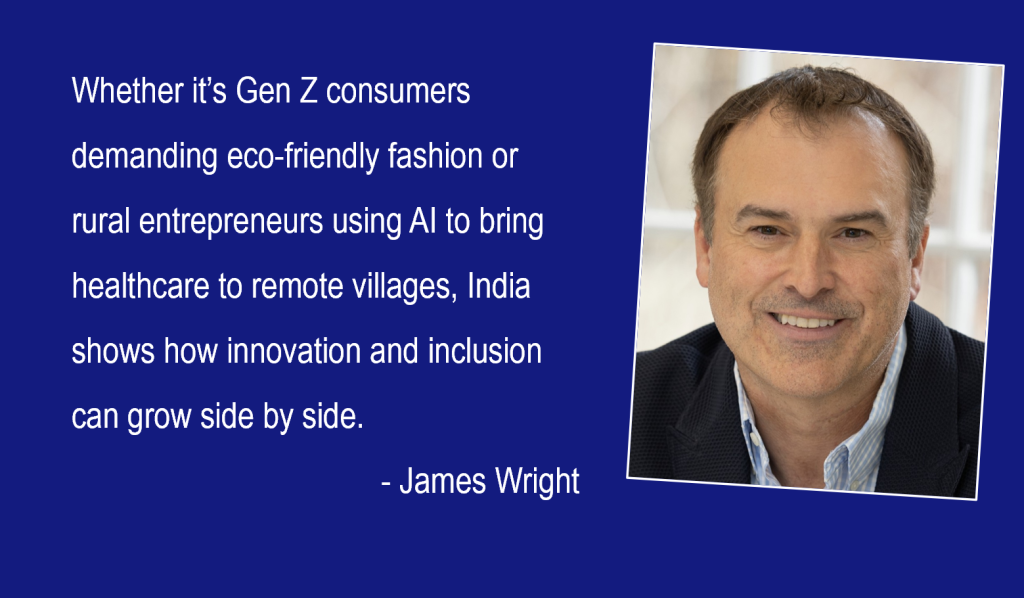
India is a microcosm of the very forces shaping the Thirsty 30s: a youthful population, surging digital adoption and a vibrant tradition of community-based commerce. Whether it’s Gen Z consumers demanding eco-friendly fashion or rural entrepreneurs using AI to bring healthcare to remote villages, India shows how innovation and inclusion can grow side by side.
For a global network like HAVAS Red, it’s a powerful reminder that the future of communications will be written in many places at once. Listening to Indian colleagues and clients reinforced my belief that the Thirsty 30s will not be a Western export but a shared, global evolution.
A call to action for brands
So how can brands begin to “fill the cup” today? Start with three moves:
- Audit for resonance. Does every part of your brand — product, supply chain, employee experience — align with what you promise externally?
- Design participatory experiences. Give consumers a role as co-creators, not just customers.
- Invest in human moments. Whether through service design, live events or genuine storytelling, make people — not platforms — the hero.
The brands that do this will be remembered not just for clever campaigns, but for meaningful relationships that stand the test of time.
From Dehradun to the decade ahead
PRAXIS 2025 left me inspired and optimistic. We are midway through the Raging 20s, but the outlines of the Thirsty 30s are already visible. The path forward is not to shout louder but to listen deeper — to move from rage to resonance.
As communicators, we have the tools to make that shift real. We can help brands earn trust, invite participation and create value that lasts long after the hashtag fades.
If the Raging 20s taught us the cost of broken trust, the Thirsty 30s can show us the power of replenished connection. Our job now is clear: Fill the cup.
The views and opinions published here belong to the author and do not necessarily reflect the views and opinions of the publisher.