


Across the Gulf, a handshake still carries the weight of a contract. Long before terms are agreed or a price is settled, business in the region moves at the pace of acquaintance. Meetings open with coffee and conversation, agreements mature over repeated visits, and a counterpart’s word is weighed against years rather than quarters. For organisations entering or expanding within the Gulf Cooperation Council, this rhythm is an advantage. It is the foundation on which reputation, resilience and growth are built.
A Region That Rewards the Long View
Markets that prize speed often treat every exchange as a single event. The Gulf works to a different tempo. Commercial life here is woven into networks of family, community and institution, where reputation travels quickly and memory endures. Family enterprises, which form the backbone of the regional private sector, have understood this for generations. Regional research shows that two thirds of Middle East family businesses believe they are fully trusted by their customers, compared with just over half of their global peers. That trust premium is a dividend, earned through relationships cultivated patiently over time.
The confidence it generates is visible in the wider economy. A recent survey of regional chief executives found that 90 percent of GCC leaders expect revenue growth in the year ahead, a level of optimism that sits well above the global average. Steady relationships, it appears, give leaders the assurance to plan boldly.
Trust as Measurable Capital
Trust in the Gulf behaves like capital. It accumulates with consistent conduct and compounds when reputations are tested. The Edelman Trust Barometer places the UAE and Saudi Arabia among the most trusting markets in the world, with business now regarded as more competent and more ethical than other institutions. In the UAE, 76 percent of people say they trust business to do what is right, a figure that comfortably exceeds the global benchmark.
What gives this capital its multiplier effect is the way it travels. A reputation earned with one ministry, one family group or one regulator rarely stays contained. It is referenced, vouched for and carried into rooms an organisation has yet to enter. Communication strategy in the Gulf works best, then, when every interaction is treated as an investment in a wider standing rather than a single deal to be closed.
Media Rapport as a Standing Relationship
The same principle shapes engagement with the press. Elsewhere, media relations can be reduced to the timely release of announcements. In the Gulf, journalists and editors are part of the relational fabric, and rapport with them is cultivated steadily rather than summoned at the moment of need. Editors remember which spokespeople returned their calls in quieter periods, which organisations offered genuine context, and which leaders made themselves available when a story called for a considered voice.
Building that rapport calls for presence between campaigns. Regular and substantive contact, respect for local language and cultural nuance, and a readiness to share insight without an immediate ask all deepen the relationship. When an organisation later has news to share, it is heard on the strength of a connection already in place.
Engaging Stakeholders Beyond the Deal
A durable network in the Gulf reaches well past customers and the media. It takes in regulators, sovereign investors, chambers of commerce, community leaders and the employees who carry an organisation’s reputation into their own circles. Each of these relationships responds to the same currency, which is reliability shown consistently over time.
Stakeholder engagement is most effective when it is continuous and reciprocal. Organisations that contribute to national development agendas, support local talent and align their messaging with regional priorities come to be seen as partners rather than visitors. That standing rewards them when conditions shift, because a stakeholder who knows an organisation well is more inclined to extend patience, offer goodwill and keep the conversation open.
A Framework for Cultivating Durable Networks
Relationship capital can be built with intention. Four practices help organisations create networks that last in the Gulf. The first is consistency, the habit of showing up in good periods and busy ones alike, which signals that the relationship is valued for its own sake. The second is reciprocity, offering knowledge, access and support before asking for anything in return. The third is cultural fluency, communicating in ways that honour local custom, language and the importance of personal presence. The fourth is patience, the discipline of allowing trust to form at its natural pace.
Together these practices compound. Consistency earns goodwill, goodwill expressed with cultural fluency strengthens reputation, and reputation, given time, becomes the multiplier that carries a brand through change.
The Multiplier in Practice
The strategic case is clear. In a region where reputations are shared and long remembered, relationship capital does far more than smooth a single transaction. It amplifies everything an organisation says and does, lending credibility to its announcements, weight to its commitments and resilience to its standing as circumstances evolve. The Gulf’s preference for relationships over transactions is, in this light, a refined form of foresight.
For communicators, the implication follows naturally. Strategy is best measured not only by the campaigns delivered but by the strength of the relationships sustained between them. The organisations that flourish in the Gulf will be those that treat trust as their most valuable asset and invest in it with the same rigour they bring to every other part of the business. Cultivated with care, relationships remain the region’s surest route to lasting reputation.
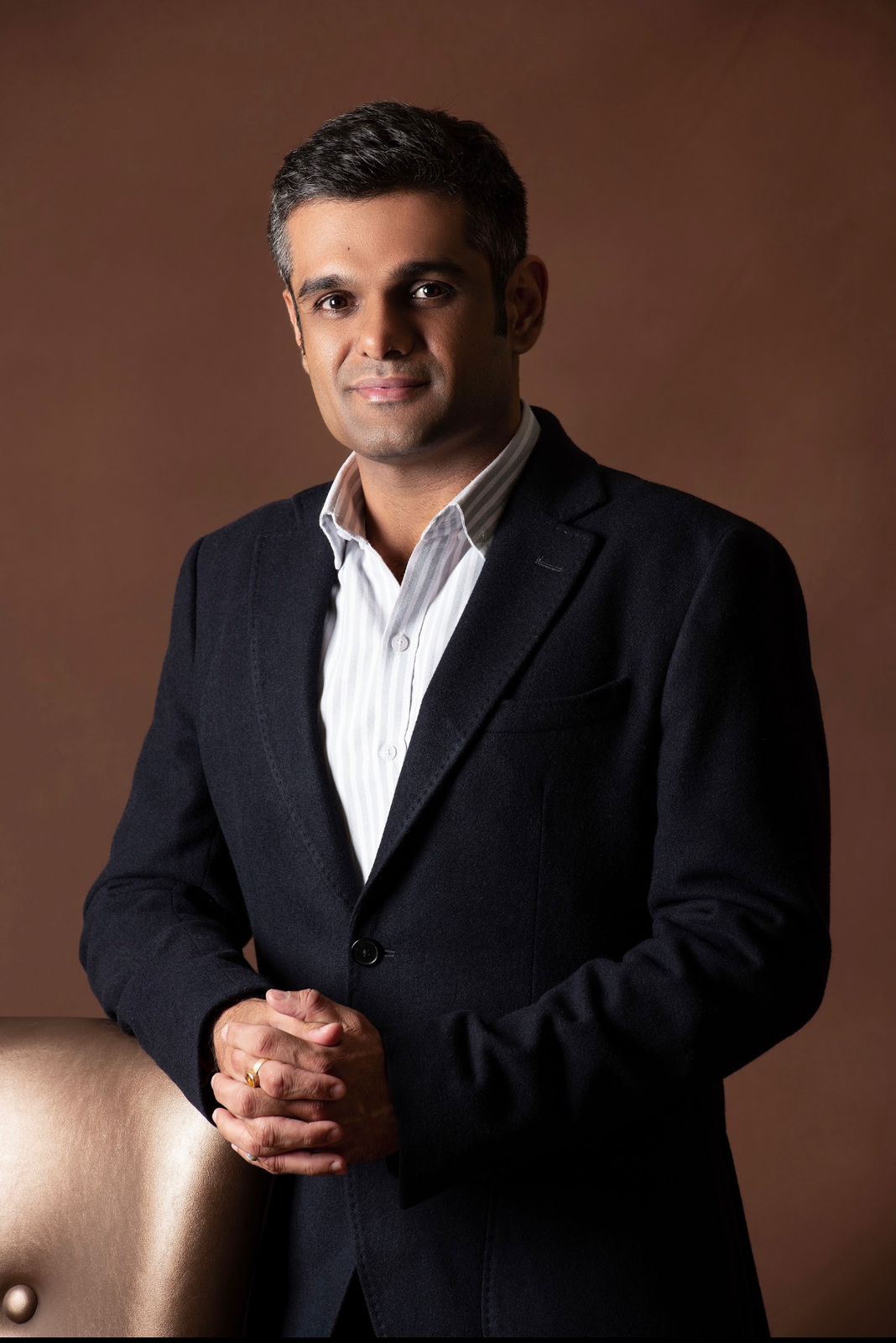
Authored by: Mr Udit Pathak, Founder Director, Media Mantra Group
___________________________________________________________________________________
The views and opinions published here belong to the author and do not necessarily reflect the views and opinions of the publisher.