

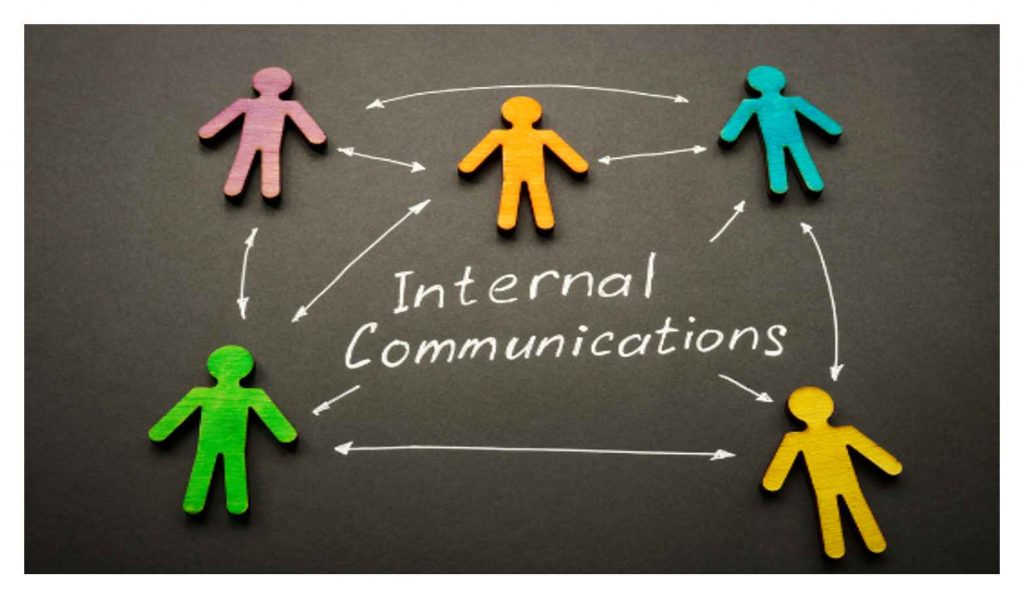
Picture a busy airport—flights departing, passengers moving, ground crews coordinating, all relying on clear signals to ensure smooth operations. Internal communications (IC) is the air traffic control tower, guiding leaders, teams, and employees to stay aligned, informed, and on course. Without it, you risk delays, missed connections, and chaos on the tarmac.
When done right, IC acts as a strategic command center—bridging leadership vision with employee execution, fostering engagement, and keeping the organisation running efficiently. Done poorly, it’s like a system failure at peak travel time—leading to confusion, disengagement, and a workforce unsure of where to go next.
The Right Way: Strategic, Collaborative, and Impact-Driven
Effective internal communications isn’t just about sending emails or organising town halls—it’s about partnering with leaders and cross-functional teams to understand business priorities, align messaging, and ensure employees are engaged in a meaningful way. Here’s how to do it right:
- Aligning Communication with Business Goals
Think of IC as the navigational system in a car. Without clear direction, teams may drive in different directions, creating misalignment and inefficiencies. The right approach ensures that every internal campaign, announcement, or engagement effort ties back to business objectives.
Example: A global technology company undergoing a major digital transformation integrates internal communications into the strategy from the start. The IC team partners with leadership to create clear messaging, FAQs, and a change management plan. As a result, employees understand the “why” behind the change, reducing resistance and fostering adoption.
Impact: Higher engagement, faster execution of transformation initiatives, and a workforce that feels informed rather than blindsided.
- Engaging Leadership as Communicators
Imagine an orchestra without a conductor—it’s chaotic. The same applies when leaders don’t actively communicate. Effective IC empowers leaders with communication toolkits, talking points, and coaching to ensure they articulate company priorities in a way that resonates.
Example: A multinational firm launching a new corporate strategy provides its leaders with structured messaging guides, interactive Q&A sessions, and storytelling techniques to communicate the vision authentically. Instead of a one-time email, they engage in ongoing conversations with employees.
Impact: Employees hear a consistent, clear message from leadership, reinforcing trust and direction.
- Tailoring Messages for Different Audiences
Not all employees consume information the same way. A one-size-fits-all approach is like broadcasting a radio signal on the wrong frequency—no one tunes in.
Example: A consumer goods company with frontline factory workers and corporate employees develops a dual-channel approach. Factory employees receive key updates via digital displays and SMS, while corporate teams access detailed insights through intranet and webinars.
Impact: Messages reach employees in a way that works for them, ensuring better engagement and retention.
- Fostering Two-Way Communication
IC should not be a monologue; it’s a dialogue. The best organisations listen as much as they speak—leveraging surveys, town halls, and open forums to gauge sentiment and adjust communication strategies accordingly.
Example: A financial services firm introduces quarterly “Ask Me Anything” sessions with leadership, where employees submit anonymous questions. Leadership responds candidly, building transparency and addressing concerns proactively.
Impact: Employees feel heard, reducing misinformation and increasing engagement.
The Wrong Way: Disconnected, Reactive, and One-Dimensional
On the flip side, poor internal communication is like trying to assemble furniture without instructions—frustrating, ineffective, and prone to failure. Here’s what NOT to do:
- Treating IC as an Afterthought
When internal communication is an add-on rather than a strategic function, employees feel disconnected from company goals.
Example: A retail chain announces a restructuring plan through a vague email, leaving employees scrambling for answers. Without clear messaging or leadership visibility, rumors spread, morale drops, and productivity declines.
Negative Impact: Increased turnover, decreased trust, and operational disruptions.
- Overloading Employees with Information
Information overload is like drinking from a firehose—too much, too fast, and impossible to process.
Example: A global healthcare company launches multiple major initiatives simultaneously, bombarding employees with emails, newsletters, and intranet updates. Instead of engagement, employees tune out entirely.
Negative Impact: Low information retention, lack of engagement, and wasted effort.
- Relying Solely on Top-Down Communication
If internal communication only flows one way—from leadership to employees—it creates a disconnect. Employees should feel like participants, not just recipients.
Example: A logistics firm implements a new operational policy without gathering employee input. The frontline teams, who understand the real-world impact, struggle with the change, leading to inefficiencies and frustration.
Negative Impact: Poor adoption, employee dissatisfaction, and operational challenges.
- Inconsistent or Conflicting Messaging
Nothing erodes trust faster than leaders sending mixed signals. If one department says one thing and another contradicts it, confusion spreads quickly.
Example: A software company announces a return-to-office policy via email, only for different managers to interpret and communicate it differently. Some teams believe it’s mandatory, others think it’s optional, creating uncertainty.
Negative Impact: Employee frustration, loss of credibility, and resistance to future initiatives.
Conclusion: Elevating Internal Communications for Business Success
Internal communications is not just about delivering messages—it’s about partnering with leadership and teams to create clarity, alignment, and engagement. Done strategically, it ensures employees are informed, inspired, and empowered to contribute to business success.
The difference between effective and ineffective internal communication can be the difference between a well-synchronised orchestra and a chaotic noise. Leaders who invest in clear, thoughtful communication strategies foster trust, collaboration, and resilience—driving not just engagement, but real business impact.
The question isn’t whether internal communication matters—it’s whether you’re orchestrating it in a way that drives meaningful results.
The views and opinions published here belong to the author and do not necessarily reflect the views and opinions of the publisher.

