

Social media isn’t slowing down.
As we move into late 2025, global social media usage has climbed to 5.42 billion users, with the average person actively using 6.8 platforms per month. India alone now has nearly 491 million social media users accounting for 34% of the national population. The opportunity is massive. But the rules of engagement have evolved.
As the founder of a Strategic Communication Consultancy, I’ve had a front-row seat to this evolution. We work with brands across India and the UK, and one thing is clear: the platforms may remain the same, but how people use them and what they expect from brands is changing fast.
This isn’t just a shift in trends. It’s a shift in how trust, influence, and attention are built.
Here’s what’s defining the next phase of social media and how brands can stay both relevant and resilient.
- From Launching Products to Building in Public
A major shift we’re seeing is the move from product-first marketing to narrative-first branding. In 2025, the smartest founders are building emotional equity before they start selling. They’re not just launching products they’re inviting people into the journey.
Take Nish Hair founder Parul Gulati. Long before announcing her new hostel in Goa, she began documenting its construction on Instagram from painting walls to naming it Malkin Hostel. She made her community feel like co-builders of the space. So when bookings open, they won’t just want a room, they’ll want to be part of something they helped create.
Or look at Kusha Kapila. She didn’t drop a product out of nowhere. She started by speaking openly about her own body image struggles as a curvy woman. Her shapewear brand solves a problem she has personally faced, and by letting her audience in on that process, she’s building trust that sells. Not just once, but consistently.
What this means for brands:
Don’t just show the final product. Show the process, the problem you’re solving, and the person behind the brand. If the story resonates, the product will sell itself.
- AI and the Rise of Personalised Attention
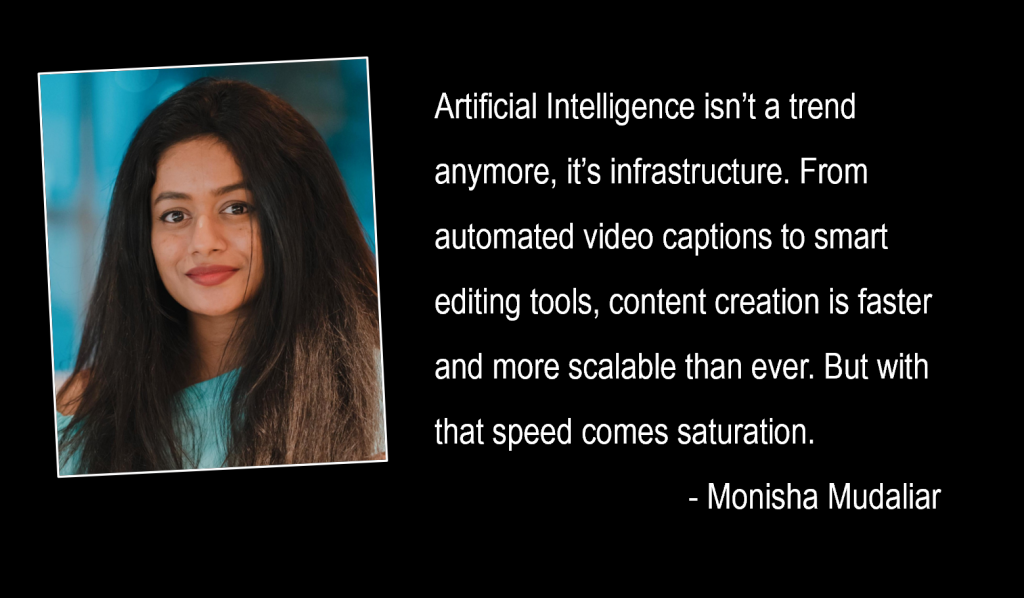
AI isn’t a trend anymore, it’s infrastructure. From automated video captions to smart editing tools, content creation is faster and more scalable than ever. But with that speed comes saturation.
Platforms like Instagram and TikTok are now deeply driven by personalisation signals, how long someone lingers, what they swipe, save, mute, or tap on. Your content has milliseconds to prove it’s worth someone’s time. That’s where intent-led content comes in.
Strategy tip:
Use AI tools for production, but keep the human layer in ideation. Audit what your audience engages with, then double down on contextually relevant hooks, smart storytelling, and content formats that match their intent (tutorials, POVs, testimonials, etc.). Relevance wins over reach.
- Social Media = Search Engine
This trend has been quietly building for years but 2025 is the tipping point. People now use platforms like Instagram, TikTok, Pinterest, and YouTube as search engines. Whether they’re looking for a café in the city, a vitamin supplement, or a solution to oily skin, they’re searching on social, not Google.
For brands, this means content needs to be discoverable, not just aesthetic.
What you need to do:
- Use keyword-rich copy in captions, alt-text, and overlays.
- Think about what your ideal customer is searching for and build content around those queries.
- Reels are great for reach, but carousels and saves build depth. Balance both.
- Commerce Is Social. But It’s Also Emotional.
Social commerce is set to exceed $80 billion globally by 2025, with platforms integrating shop features directly into the feed, reels, and lives. But people don’t come to Instagram to shop they come to feel. The best-performing brands aren’t pushing products; they’re embedding them into emotionally engaging content.
A winning formula for marketers:
Emotion > Value > Product.
Start with something that resonates (a pain point, memory, or aspiration), layer in how your product fits in, and close with clear value. Livestream demos, founder POVs, customer stories, these aren’t just content pieces; they’re conversion tools.
- Immersive is the Next Native
AR try-ons, 3D product views, VR pop-up stores, what was once seen as novelty is quickly becoming mainstream. For fashion, beauty, and real estate in particular, immersive content is no longer optional. It’s how people try before they buy.
Planning for 2026:
Start experimenting with interactive formats now. Use AR filters, virtual walkthroughs, or immersive stories to create deeper brand experiences. These are the kinds of assets that will eventually become the standard not the standout.
- Digital Wellbeing and Platform Responsibility
With increased regulation around data privacy, algorithm transparency, and content moderation, social platforms are under pressure to become safer, more ethical spaces. Users are more conscious of screen time, ad overload, and mental health and they’re rewarding brands that align with these values.
For creators and brands:
Show up with purpose. Don’t just chase virality. Respect your audience’s time and attention. Build content that informs, inspires, or solves not just sells.
Navigating social media today requires more than trend-chasing, it demands strategic clarity. Brands need to stay searchable by creating content that answers real intent, not just follows fleeting formats. Staying human means leaning into storytelling over scripting. What worked last quarter may not hold today, so consistent experimentation is key. Most importantly, stay self-aware. You don’t need to replicate what others are doing; you need to align with what works for your brand voice and business objectives. Trends will evolve, platforms will shift but brands that lead with relevance, clarity, and consistency are the ones that will endure.
The views and opinions published here belong to the author and do not necessarily reflect the views and opinions of the publisher.

