

While I was thinking what to write for this week in my column, this topic came in strongly in my thoughts. In today’s rapidly evolving business landscape, it’s high time to challenge the traditional categorisation of communication as merely a soft skill. As an ICF-accredited Professional Certified Coach (PCC) specialising in leadership and communication, I’ve observed how this misconception often leads to undervaluing the technical complexity and measurable impact of effective communication in leadership roles. I have never understood ‘WHY IS COMMUNICATION A SOFT SKILL?”. This also led me to do more research, the links for which I have shared at the end.
The Technical Foundation of Communication
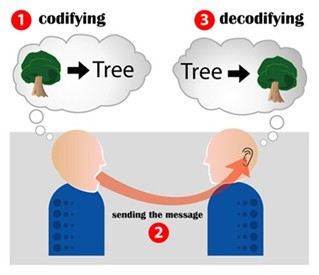
Communication is far more intricate than just articulating thoughts clearly. Recent neuroscience research reveals that effective communication involves synchronised brain activity between speakers and listeners. This synchronisation is a measurable phenomenon that can be cultivated through specific techniques, much like any technical skill. When leaders make eye contact and mirror gestures appropriately, they create neural synchronisation that enhances engagement and understanding.
Beyond Words: The Multi-dimensional Aspect
The technical complexity of communication extends beyond verbal expression. It encompasses:
- Intention Recognition: Leaders must develop the cognitive ability to infer intentions and emotions, utilising psychological principles similar to those used in problem-solving
- Neurological Processing: Communication involves distinct neural pathways that can be optimised through targeted training
. This biological foundation emphasises its technical nature.
- Cross-functional Integration: Modern leaders must break down silos and foster alignment across diverse teams, requiring strategic communication skills that include active listening and negotiation
The Leadership Imperative
The correlation between leadership effectiveness and advanced communication capabilities is striking. Studies show that leaders who excel in communication are better equipped to:
- Inspire and motivate their teams
- Navigate complex challenges
- Achieve organisational goals
- Foster innovation and collaboration
A case study of the Excelitas Connected Leadership Program demonstrated that 73% of participants showed measurable improvements in leadership attributes when communication skills were enhanced.
The Indian Education System: Challenges and Opportunities
The current state of communication education in India presents both challenges and opportunities. The National Education Policy (NEP) 2020 emphasises developing both cognitive and soft skills, including communication. However, significant gaps remain:
Current Challenges:
- Urban-Rural Divide: There’s a marked disparity in access to quality communication education between urban and rural areas
- Industry-Academia Gap: Only 28% of deans believe their students are industry-ready, highlighting a significant skills gap
- Limited Practical Application: Traditional teaching methods often fail to provide real-world communication scenarios.
Recommended Improvements:
- Structured Training Programs: Implement well-defined educational pathways with consistent training curricula
- Experiential Learning: Incorporate role-play, self-reflection, and feedback mechanisms in communication training
- Technology Integration: Leverage AI and digital tools while maintaining authentic human connection
Future Predictions and Requirements
As we look ahead, several key trends will shape the future of communication in leadership:
- Emotional Intelligence: The demand for leaders with high EQ will grow, emphasising the need for empathetic communication
- Personalised Communication: Leaders will need to leverage data analytics to tailor their communication strategies
- Cross-Cultural Competence: As businesses become more global, understanding cultural nuances in communication will be crucial
Call to Action for Stakeholders
For C-suite leaders and educational stakeholders, it’s imperative to:
- Invest in comprehensive communication training programs that recognise its technical aspects
- Integrate modern technologies while maintaining human-centric approaches
- Pursue partnerships between industry and academia to bridge the skills gap
- Develop measurement metrics for communication effectiveness
- Create opportunities for practical application and continuous feedback
Reflection
Communication is not just about being articulate; it’s a complex technical skill that forms the backbone of effective leadership. By recognising its neurological, psychological, and linguistic components, we can better prepare future leaders for the challenges ahead. The transformation of communication from a perceived soft skill to a recognised technical competency is not just semantic – it’s a crucial shift that will define the success of future leaders and organisations.
As we move forward, the integration of communication as a technical skill in our education system and leadership development programs will be crucial for building leaders who can navigate the complexities of tomorrow’s business landscape. In my opinion, the future belongs to those who can master this technical art of human connection.
The views and opinions published here belong to the author and do not necessarily reflect the views and opinions of the publisher.

