

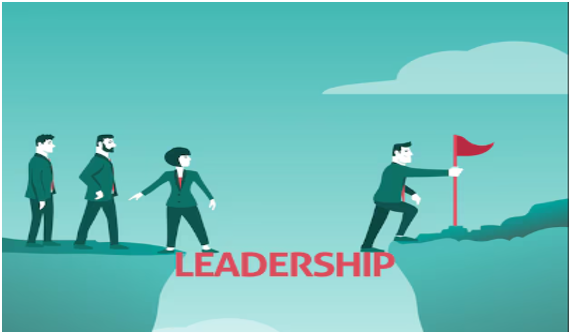
Remote and hybrid work arrangements have transformed how communications teams collaborate, create, and maintain culture. While flexibility benefits are substantial, leading dispersed teams requires different approaches than traditional co-located management. The challenge isn’t replicating office experiences virtually – it’s creating new leadership practices that enable excellence despite distance.
After years of leading both in-person and remote teams, I’ve learned that effective remote leadership depends on intentional culture building, over-communication, and trust-based management that focuses on outcomes rather than activity monitoring.
The Remote Reality
Distance dynamics change how teams interact, collaborate, and build relationships. Casual hallway conversations don’t happen spontaneously. Reading room energy becomes impossible. Quick questions require scheduled time. These changes eliminate some spontaneous collaboration while creating opportunities for more intentional, inclusive practices.
Hybrid complexity adds challenges beyond fully remote arrangements. Ensuring equity between office-based and remote team members, managing meeting dynamics across locations, and building cohesive culture despite participation differences requires deliberate strategy and ongoing adjustment.
Intentional Culture Creation
Values clarification becomes even more critical when physical proximity doesn’t reinforce cultural norms through osmosis. Explicitly articulate team values, behavioral expectations, and decision-making principles. Make the invisible visible through documentation and regular reinforcement.
Ritual development creates shared experiences that build culture across distance. Weekly team calls, monthly virtual socials, quarterly in-person gatherings, or daily check-in practices all contribute to team cohesion and cultural continuity.
Don’t force activities that feel artificial or awkward. Find rituals that feel authentic for your team while serving genuine connection purposes. The goal is meaningful interaction, not checkbox team building.
Communication Excellence
Over-communication prevents the information gaps that distance naturally creates. Share context liberally, document decisions thoroughly, and update team members more frequently than feels necessary. What seems obvious to you might not be accessible to team members without your visibility.
Channel clarity establishes when to use different communication tools. Email for non-urgent updates, instant messaging for quick questions, video calls for complex discussions, project management tools for task coordination. Clear protocols prevent miscommunication and ensure important information reaches intended recipients.
Asynchronous optimization enables productivity across time zones and schedules while respecting work-life boundaries. Document decisions and discussions so team members can catch up on their own time. Record meetings for those who can’t attend live. Use collaborative documents that support sequential rather than simultaneous contribution.
Trust-Based Management
Outcome focus evaluates performance based on results rather than activity visibility. Remote environments make activity monitoring tempting but counterproductive. Trust team members to manage their time while holding them accountable for delivering quality work within agreed timelines.
Autonomy support gives team members flexibility in how they accomplish objectives rather than prescribing specific approaches. Empower decision-making within clear parameters instead of requiring approval for routine choices.
Transparency about challenges acknowledges remote work difficulties honestly rather than pretending everything is perfect. Discuss what’s working and what isn’t, solicit team input on improvements, and adjust practices based on collective experience.
Relationship Building Across Distance
Individual attention ensures each team member receives personalized support despite lack of proximity. Regular one-on-one video calls, career development conversations, and check-ins about wellbeing and workload all build relationships that distance might otherwise erode.
Vulnerable leadership shares your own remote work challenges, mistakes, and learning process. This modeling creates psychological safety for team members to acknowledge their own struggles and seek support when needed.
Career Development in Remote Contexts
Visibility management helps remote team members gain recognition despite physical absence from headquarters or leadership visibility. Deliberately showcase team members’ contributions, create presentation opportunities, and ensure remote workers aren’t disadvantaged in performance evaluations or advancement opportunities.
Skill development continues even when traditional shadowing or apprenticeship becomes difficult. Use screen sharing for skill demonstrations, create video libraries of key processes, and facilitate virtual mentorship that supports professional growth despite distance.
The Technology Enablement
Tool strategy provides team members with technology that enables effective remote collaboration without overwhelming them with too many platforms. Invest in reliable video conferencing, collaborative document systems, project management tools, and communication platforms that support your team’s specific needs.
Training and support ensures everyone can use tools effectively rather than struggling with technical barriers. Provide onboarding for new tools, maintain help resources, and create space for questions without judgment.
Measuring Remote Team Effectiveness
Engagement indicators might include participation patterns, communication frequency, collaborative contribution, and satisfaction survey results. Monitor these signals to identify team members who might be struggling or feeling disconnected.
Performance consistency compared to pre-remote baselines helps evaluate whether distance affects work quality. Most teams perform as well or better remotely once initial adjustments occur, but monitoring ensures any problems get addressed quickly.
The Hybrid Future
Remote and hybrid arrangements aren’t temporary pandemic responses – they’re permanent features of modern work. Leaders who master distance team management position themselves and their organizations for success in evolving work environments that blend flexibility with collaboration and autonomy with accountability.
The most effective remote leaders don’t try to recreate traditional office dynamics virtually – they embrace distance as opportunity to build more intentional, inclusive, and effective team cultures than conventional proximity often enabled.
______________________________________________________________________________________________________________
The views and opinions published here belong to the author and do not necessarily reflect the views and opinions of the publisher.