

IPO Comms Part 4
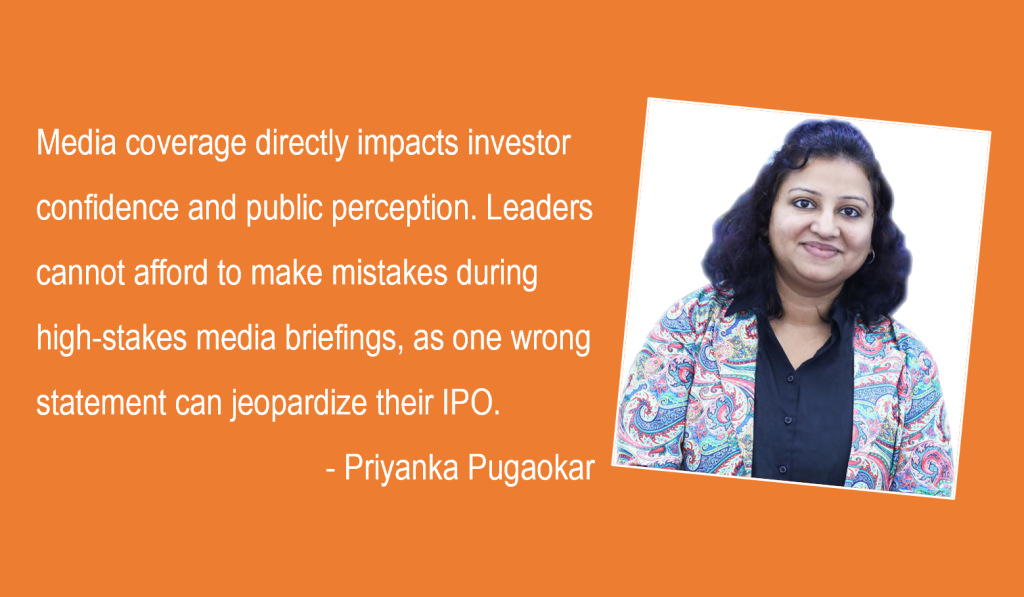
Media interactions can feel like a nightmare, and handling tricky media queries can be exhausting at times. We often see chaos during press briefings where spokespersons are bombarded with questions that sometimes overwhelm them. Media interactions are an essential part of an IPO, and they can largely influence the market debut of a company. While media publicity provides greater visibility for IPO-bound companies, it also exposes them to increased scrutiny. Media coverage directly impacts investor confidence and public perception. Leaders cannot afford to make mistakes during high-stakes media briefings, as one wrong statement can jeopardize their IPO. Hence, a robust media engagement strategy is critical to navigate media interactions and handle tricky questions effectively.
Pre-IPO Preparations
- Media Training for Leaders: Media training is an essential part of IPO communications. It equips leaders with tools and techniques to navigate press briefings, handle tricky questions, and communicate within regulatory frameworks. I have discussed the essence of media training for leaders during IPO at length in the previous blog post.
- Getting Familiar with Media: Understand media ecosystems and their inner working dynamics (both print and digital). Prepare target media lists, media kits, identify key reporters, and educate them about the company and its leaders.
- Key Narrative and Factual Details: Prepare a compelling IPO story vetted by various stakeholders such as compliance and legal, and keep the message consistent across platforms. Prepare a ready-to-use FAQ template for leaders along with fact sheets.
- Timelines: Media briefings typically happen at strategic stages of the IPO to ensure compliance with regulations and maintain positive sentiment. The IPO process involves a mandatory quiet period as part of the Issue of ICDR Regulations. During this time, companies are mandated to restrict public announcements. The communications team may leverage the pre-IPO timeframe to build subtle awareness about the company. Media briefings are usually held after RHP filing and before subscription opens. Avoid forward-looking statements and speculations during these crucial times.
Handling Tough Reporters
Sometimes reporters demonstrate unruly behavior or use aggressive tactics to trigger reactions from spokespersons. This could take the form of constant interruptions, cross-questioning, asking irrelevant questions, or showing aggression through body language. Such scenarios can quickly turn into a battleground and ruin the company’s IPO purpose. Handling media personnel requires emotional intelligence, awareness, and professional decorum.
- Focus on Facts, Not Emotions: An IPO is a once-in-a-lifetime event for any entrepreneur or business leader. It is common to feel emotionally overwhelmed seeing this milestone in the company’s journey. However, a media briefing is not the place to get emotional and make unwarranted claims that may invite regulatory scrutiny. Be calm and respond softly. Back answers with facts, audited numbers, and regulatory filings. Keep your message simple by avoiding industry jargon to reach a broader audience.
- Use the Bridge Technique: Sometimes leaders face completely irrelevant questions. In such cases, use the bridge technique and bring the focus back to your key message. Acknowledge the question, then pivot to your key message.
For instance: Reporter: What is your take on (ABC) rumors floating in the market?
Response: While I will gather more information on the topic you stated, let me give you an overview of our strong fundamentals and growth outlook…
- Set Boundaries: In certain scenarios, despite showcasing composure, you may endure unprofessional behavior on the part of reporters. Set your boundaries and politely decline questions outside the IPO scope. Communications teams play an important role in defusing tense situations. Whenever the conversation goes off track, pause and redirect to your core message.
Managing Negative Press
Despite putting best practices in place, a negative story can hamper the IPO process and influence investor sentiment. This is not the time to react but to respond with a solid counter-narrative and positive press.
- Monitor Media Sentiment: Use media tracking tools to catch negative narratives early.
- Swift Response: Issue clarifications, debunk fake news, and provide facts well before misinformation spreads on digital platforms.
- Leverage Positive Stories: Highlight strong fundamentals, leadership credibility, and industry outlook to balance perception.
- Explore Advocacy: Employee advocacy is an effective way to build brand image. Engage with influencers and analysts to highlight your strong financial fundamentals and growth potential.
__________________________________________________________________________________________________
The views and opinions published here belong to the author and do not necessarily reflect the views and opinions of the publisher.