

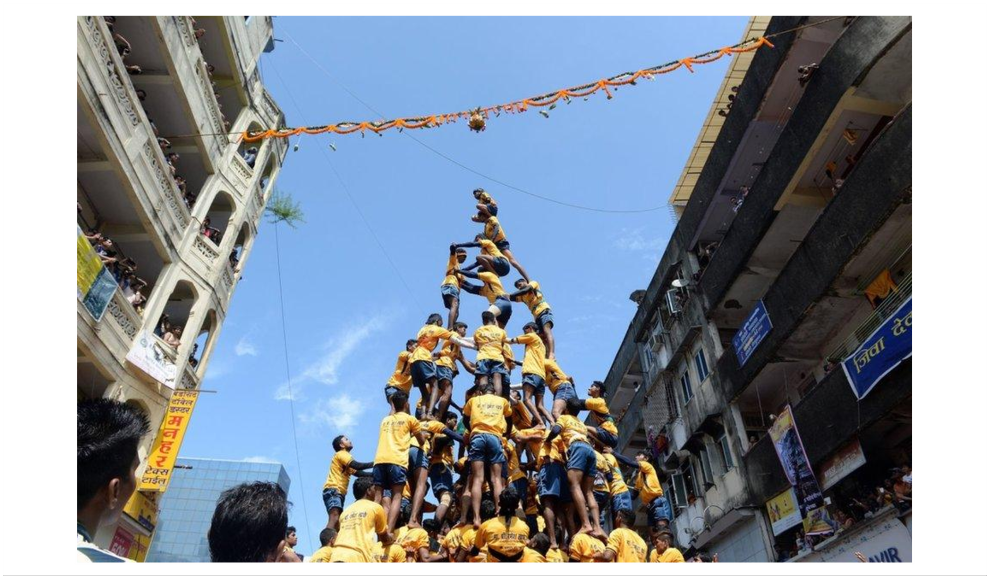
In a nation as vibrant as ours, culture can’t just be the backdrop—it must be the main event. Right through the year, every festival offers a story of identity, belief, and celebration. For years, brands hailing from India chose to play it safe, tailoring their campaigns to mainstream traditions: Diwali discounts, Holi-themed contests, and Independence Day salutes. But those days are gone as we are witnessing a major transformation. From ancient rituals like Dahi Handi to the contemporary flamboyance of drag performances, brands are now embracing an eclectic spectrum of subcultures.
Let’s begin with the unmistakable energy of Dahi Handi, a celebration rooted in the lore of Lord Krishna’s playful mischief, now synonymous with Maharashtra’s urban youth spirit. Human pyramids and fierce competition dish out a spectacle that’s hard to miss. Brands like Amul have tapped into this tradition not only as spectators, but also as collaborators. Campaigns that are centred on Dahi Handi have brought to the fore spirit of community and youth vigour—values that align seamlessly with brand narratives around vitality and resilience.
Whilst brands are leaning into time-honoured customs, they’re also syncing with the beat of India’s more alternative cultural movements. Enter the bold, beautiful world of drag. Once underground and relegated to hushed whispers, India’s drag scene has exploded in recent years, offering a platform for gender expression, satire, and social commentary. And brands have taken notice.
Tinder India, for example, has made notable efforts to include India’s queer and drag communities in its storytelling. The brand has regularly partnered with Glorious Luna and other queer voices who are reshaping how India sees gender and attraction. By placing drag performers at the centre of their narratives, Tinder challenged stereotypes and celebrated love in all its forms. Similarly, Bumble India collaborated with drag artists not merely as brand ambassadors, but as storytellers—highlighting themes of identity, self-love, and the courage to stand out in a conformist world. These efforts positioned the brand as one that understood and celebrated personal journeys that diverge from societal norms.
What’s most interesting is that these two ends of the cultural spectrum—the deeply traditional and the transgressive—are not at odds in the world of modern PR. If anything, they co-exist in a compelling dance that reflects the evolving Indian ethos. Consider The Times of India’s 2021 campaign titled “Times Out & Proud”, where the publication partnered with transgender and queer individuals to tell real stories of coming out.
Yet, this cultural playbook possesses its own challenges. In the race to appear “woke,” many brands run the risk of tokenism—a fleeting gesture during Pride Month or a singular Instagram post featuring a local festival. Today’s audience, especially Gen Z, is quick to spot inauthenticity. To truly connect, brands must go beyond surface-level gestures. That means long-term partnerships, authentic storytelling, and an honest commitment to the communities they spotlight.
Take Levi’s India, which has worked consistently with indie musicians and grassroots voices—not just for one-off campaigns but through an ongoing cultural conversation. Or Red Bull, which supports everything and respects each subculture’s roots while amplifying their reach. What we’re witnessing is the PR renaissance of India—one where tradition and rebellion walk hand in hand. It’s no longer just about selling a product; it’s about standing for something. And in a country as diverse as ours, standing for something often means standing with someone—from the young boy climbing a human pyramid in Thane to the drag queen lip-syncing to Lata Mangeshkar in a Delhi basement.
For brands, the message is clear: the future of PR lies not in playing it safe, but in showing up boldly, consistently, and meaningfully in the lives—and subcultures—of the people they hope to reach. Whether it’s a holy chant or a high heel, every voice deserves the mic.
The views and opinions published here belong to the author and do not necessarily reflect the views and opinions of the publisher.

