

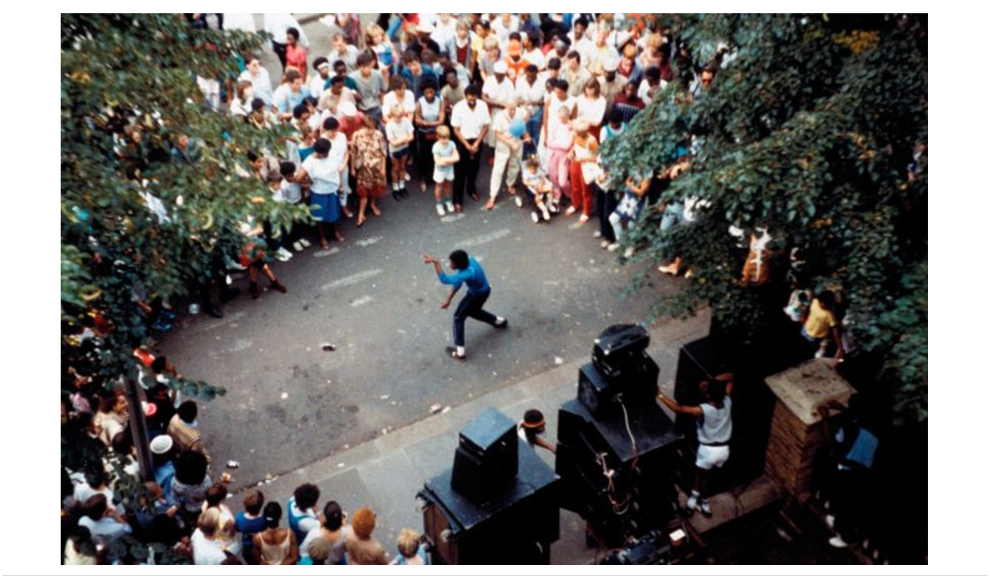
Indian hip-hop is no more confined to underground cyphers or dingy recording setups as they have kicked open the doors of mainstream culture. What was once a niche movement of gully rap has is today a lucrative, authentic avenue for brands trying to capture the pulse of India’s youth. From the meteoric rise of Divine and Naezy to the viral reign of Emiway Bantai and KRSNA, hip-hop is no longer just a genre—it’s a language, a lifestyle, and a legitimate brand playground.
One of the strongest examples of this synergy was orchestrated by Puma. Puma India launched “Suede Gully,” a music video concept created with DDB Mudra as brought in rappers (Divine, Prabh Deep, Khasi Bloodz), street artists, and dancers across Mumbai, Delhi, Shillong, and Madurai to celebrate gully culture through multiple Indian languages. The campaign provided centre-stage to street culture Puma embraced rap, dance, and wall art as one cultural ecosystem.
Another standout case comes from Red Bull India through its “64 Bars”, a platform that challenges rappers to deliver 64 non-stop bars over custom beats. Over the years, the platform has featured prominent musicians such as MC Altaf, Shah Rule, Dee MC, RANJ, Sikander Kahlon, among others. Season 3 even hosted a mobile recording booth across Mumbai, Chandigarh, Shillong, and Kochi to scout emerging artistes. Red Bull is doing more than playing sponsor—they’re legitimising the culture by providing beat-driven arenas, real access, and grassroots engagement.
A new wave of rap is strengthening regional roots—most notably Kochi-based rapper Fejo. Featured in Red Bull’s “Top Tier Talk” (season 2 of 64 Bars, produced by Parimal Shais), Fejo brought Malayalam cadence into mainstream attention. These regional integrations—Marathi, Malayalam, Tamil—reinforce authenticity and connect brands with micro-communities. Even streetwear brands are following suit. Superkicks, a sneaker boutique born out of India’s rising hype culture, routinely collaborates with hip-hop artists to create drops that reflect street influences—from graffiti-styled artwork to event-based merchandise. Their store events often include live sets from local DJs, emcees, and b-boys, seamlessly blending commerce with culture.
Interestingly, even non-traditional “street” brands are beginning to tune into the beat. Zomato’s 2024 Holi campaign featured a rap-style voiceover layered over visuals of food delivery chaos, mimicking the cadence and style of gully rap bars. While subtle, it was a nod to how hip-hop’s tone—confident, chaotic, expressive—is becoming the lingua franca of modern, youthful advertising.
But tapping into this space comes with a caveat—credibility matters. The hip-hop community thrives on authenticity. Brands that superficially slap on a rap beat without engaging the culture or respecting its roots risk being called out, or worse, ignored. Real recognition comes when brands go beyond performative association—sponsoring cyphers, funding music videos, co-creating merch, or simply giving artists a platform without heavy branding.
Take Azadi Records, a Delhi-based independent label that has worked with brands like Budweiser India and Netflix, often acting as a cultural bridge rather than just an artist supplier. The label ensures that collaborations maintain the political and social voice that defines its artists, proving that brands and street culture can meet without compromising values.
The Indian gully is no longer just a location—it’s a mood. It’s where hustle meets art, and where branding now meets belonging. In a media-saturated world, hip-hop offers what most advertising struggles to find: truth. And for brands chasing relevance among Gen Z, this truth is golden.
In today’s India, rap isn’t just rebellion—it’s resonance. And the brands that recognise this aren’t just selling products—they’re selling a piece of the culture. The gully has spoken. Are the brands truly listening?
The views and opinions published here belong to the author and do not necessarily reflect the views and opinions of the publisher.

