

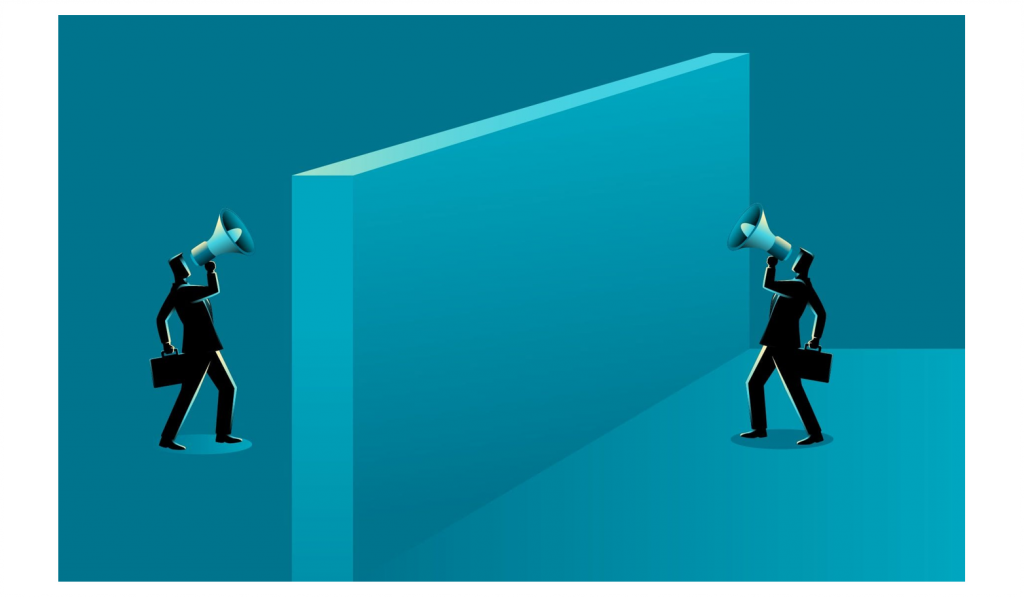
Effective communication is the cornerstone of personal, professional, and organisational success. Whether it’s a one-on-one conversation, a team meeting, or a public announcement, the goal of communication is to convey information clearly and accurately. However, communication doesn’t always go as planned. Misunderstandings and, misinterpretations can arise due to various barriers that obstruct the flow of information. Identifying these barriers is the first step toward improving communication and fostering better relationships.
Understanding Communication Barriers
Communication barriers are obstacles that hinder the effective exchange of ideas, thoughts, or information. These can be physical, emotional, cultural, linguistic, or even technological. While some barriers are obvious and easily addressed, others are subtle and require deeper analysis and awareness.
Observe Misunderstandings and Repetition
One of the most telling signs of communication barriers is the need to constantly repeat or clarify messages. If people frequently ask What do you mean? or misinterpret instructions, it indicates the original message is not being received as intended. You may want to then:
- Monitor how often you or others need to repeat or rephrase.
- Pay attention to whether tasks are completed as expected after instructions are given.
- Look for confusion or silence in response to communication – these can be red flags.
Analyse Feedback and Responses
Feedback is an essential component of communication. If the response to your message is off-track or unrelated, it might indicate that the message wasn’t understood properly. Active listening and two-way communication help reveal these gaps. You must:
- Encourage open-ended questions to gauge understanding.
- Watch for misaligned responses or irrelevant replies.
- Use surveys or feedback forms in professional settings to assess clarity.
Assess Non-Verbal Cues
Communication is not just verbal. Body language, facial expressions, and tone of voice often say more than words. Negative body language – such as crossed arms, lack of eye contact, or restlessness – can indicate a lack of understanding. In that case, you must
- Observe if the listener seems distracted or disengaged.
- Notice discrepancies between verbal messages and non-verbal cues.
- Pay attention to tone—an aggressive or indifferent tone may signal emotional barriers.
Identify Language and Jargon Issues
Language can be a major barrier, especially in multicultural or professional settings. Using complex jargon, acronyms, or unfamiliar terms can alienate the audience and lead to miscommunication. Therefore you should:
- Ask if the audience is familiar with the terms you use.
- Simplify language when dealing with diverse groups or non-native speakers.
- Watch for signs of confusion or hesitation when technical terms are used.
Examine Cultural and Social Differences
Cultural backgrounds can shape how people interpret messages. What is considered polite or appropriate in one culture may be perceived differently in another. Ignoring cultural nuances can create barriers, especially in global teams. In that case, you must
- Be aware of diverse cultural norms and communication styles.
- Look for instances where messages are interpreted differently due to cultural perspectives.
- Engage in active listening and encourage questions to clear doubts.
Evaluate the Communication Environment
The physical setting or medium of communication can also affect understanding. Noisy environments, poor internet connection, or lack of privacy can distract or distort messages. Thus, you must
- Notice environmental distractions like noise, lighting, or space.
- Assess the reliability of communication channels (email, phone, virtual meetings).
- Ensure that communication occurs in a comfortable, focused setting.
Recognise Emotional and Psychological Barriers
Fear, anxiety, mistrust, or low self-esteem can prevent individuals from expressing themselves openly. These barriers are harder to detect but significantly impact communication effectiveness. In that case,
- Notice reluctance to speak, defensiveness, or emotional withdrawal.
- Create a safe space for open dialogue.
- Encourage expression without judgment or interruption
Monitor Organisational Structures and Hierarchies
In workplaces, rigid hierarchies or unclear roles can hinder open communication. Employees might hesitate to speak freely due to fear of repercussions or lack of empowerment. You must:
- Conduct anonymous surveys to understand employee concerns.
- Facilitate open-door policies and inclusive meetings.
- Review whether communication flows freely across departments.
Conclusion
Identifying barriers to communication requires awareness, empathy, and proactive effort. By observing behaviour, encouraging feedback, and being mindful of language, culture, and context, one can significantly improve communication outcomes. Whether in personal relationships or professional environments, addressing these barriers not only enhances clarity but also builds trust, collaboration, and mutual respect.
The views and opinions published here belong to the author and do not necessarily reflect the views and opinions of the publisher.

