

For a long time, the press release was the most important thing in public relations. Every young PR person learnt how to write one: a short, fact-based announcement that would grab a journalist’s attention and get them to cover the story. It was the best approach to disseminate company news, establish trust, and change how people saw the company.
But in today’s fast-paced, digital-first media world, the issue comes up: Is the press release still important? Is this once-powerful tool no longer useful now that journalists get hundreds of pitches every day, most of which go unread or end up in the spam folder? Or has it just changed to accommodate the way people communicate now?
The Old Power of the Press Release
In the past, press releases were the link between businesses and the news. It was the official record of new goods, company milestones, executive hires, mergers, or CSR activities. It gave journalists a short and dependable source of facts, quotes, and contact information, which are all necessary for writing a story.
Press releases also gave the impression of being real. If a firm sent one out, the information was seen as official and could be quoted. It was an important tool for managing your reputation and dealing with the media. For a long time, the press release worked because the news cycle was slower, there was less competition for attention, and journalists relied on PR specialists for a lot of information.
Why the Press Release Isn’t as Good Anymore
The media world has altered a lot. The rise of social media, digital platforms, and influencer marketing has changed the way public relations works today. Journalists don’t wait for press releases to locate stories anymore. They typically find them on Twitter/X, LinkedIn, or even TikTok long before a formal announcement comes through. And this social media has kept the media on the toes and they are more alert.
There are a number of reasons why this has happened:
Too much information: Reporters get dozens, sometimes hundreds, of news releases every day. A lot of them are generic, not really targeted, or don’t have any real news value.
Automation and PR wires: Because it’s easy to send out a lot of information, journalists are getting a lot of unnecessary content.
The emergence of brand storytelling: Companies can now contact people directly through their own social and digital channels, so they don’t always need a media gatekeeper to get the word out.
The pace of news: By the time a typical press release is written, vetted, and sent out, the story can already be old news on social media.
Because of all this, some people have said that the press release is “dead.” But that’s not quite right. And there are opinions and views still floating on this subject.
What the Press Release Does Today
The press release isn’t dead; it’s changed. Today, its job is less to report breaking news and more to check it and keep a record of it. In a world when there is too much information, it is a reliable source of truth that is trusted by the media.
Modern news releases are used for:
Give official confirmation of news that is already going around on social media.
Provide material for company websites and online newsrooms that can be searched and is optimised for search engines.
Give journalists reliable information and quotes that they can use or link to.
Keep a public record of business communications to make your brand more open.
In short, the press release has gone from being the beginning of a tale to being a useful tool in the larger world of storytelling.
What Has Taken the Place of the Press Release
Instead than only sending out press releases, PR professionals today employ a variety of tools and strategies to get the media’s attention more effectively:
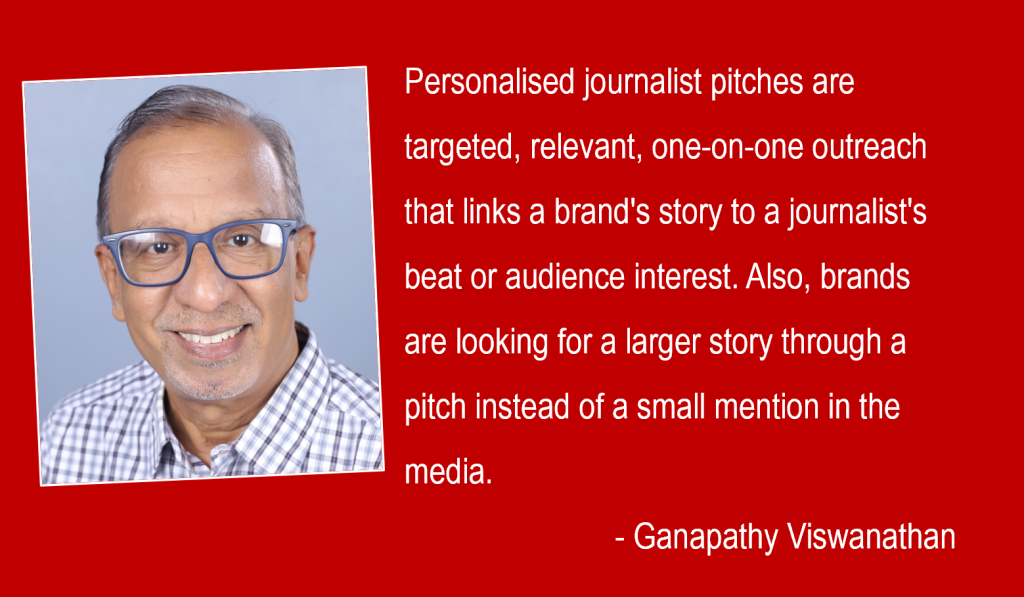
Personalised journalist pitches are targeted, relevant, one-on-one outreach that links a brand’s story to a journalist’s beat or audience interest. Also, brands are looking for a larger story through a pitch instead of a small mention in the media. Clients have also stopped chasing clips and are looking for meaningful messaging for their brand at both corporate and brand level.
Social media storytelling: Brands regularly share their own news on sites like LinkedIn, Instagram, or X, where they can control the narrative and talk directly to their fans.
Thought leadership and op-eds: Executives share their thoughts through blogs, LinkedIn pieces, or podcasts, giving more than just news.
Partnerships between influencers and creators turn corporate news into stories about real people.
Digital newsrooms are places where you may share movies, infographics, and press releases all in one place.
This method combines owned, earned, and shared material to make narrative more interesting and complex.
A Better Way to Read the Press Release
Instead of thinking of the press release as a dying instrument, it’s better to think of it as part of a bigger plan. It still matters, but how we utilize it is much more important.
A press release in today’s world should:
Make it easy to read, interesting to look at, and easy to share.
Add photographs, videos, and links to social media sites to your content.
Make sure it works well with search engines so it will still work long after it comes out.
Add to, don’t replace, a personalised outreach plan.
When handled correctly, the press release becomes the basis for telling a story instead of the story itself.
The Verdict
The press release isn’t dead; it’s just changed with the times. In a time when news cycles are short, audiences are scattered, and stories are told online, it is still a good source of reliability and veracity. But it needs to change to fit the new norms of engagement, which are authenticity, personalisation, and interactivity.
The best communicators today still use press releases. They give it new life by changing it from a simple statement into a dynamic, shareable, and meaningful piece of content that fits in with the brand’s wider story.
The views and opinions published here belong to the author and do not necessarily reflect the views and opinions of the publisher.

