

I’ve been fortunate to work for bodies in the UK and internationally which respect and embrace effective communication. Globally there is much good leadership, but when communication is under-rated it is often because the leaders of the communications function fail to lead. Communicators do brilliant technical every day but what many have to improve is their ability to lead and demonstrate the value of their function to the business. The inability among some reputation managers to steer their chief executives diminishes their impact and ultimately the reputation of the entity they work for, by not realising the benefit of effective communication.
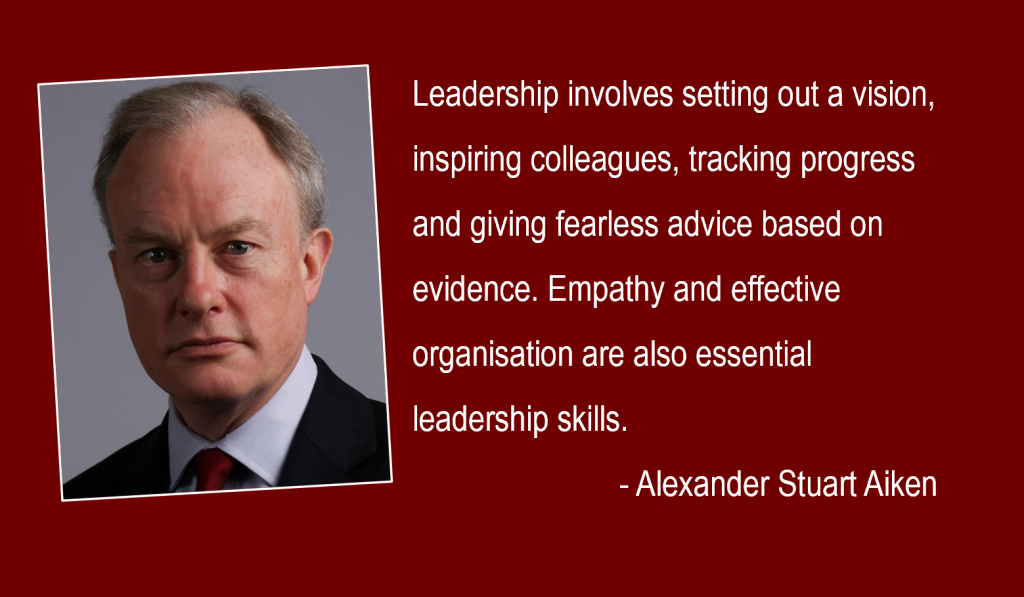
Leadership involves setting out a vision, inspiring colleagues, tracking progress and giving fearless advice based on evidence. Empathy and effective organisation are also essential leadership skills. Gary Burnison, CEO of Korn Ferry says leadership “is not measured in titles, positions and careers that’s only what we do. What endures is who we are and why we do it”.
Communication when properly delivered effectively improves business and people’s lives. While working for the UK Government I could point to the GREAT campaign that delivered £4 billion of benefit to the country, public health campaigns that save thousands of lives and education campaigns that improved standards.
I asked AI about great communication leadership. ChatGPT said: “leaders must be adaptable, balancing creativity with analytical rigor”. DeepSeek advised: A successful leader must be agile, resilient, and capable of steering their team through uncertainty”. But the job of the communications leader is really to use the power of information to enhance the reputation of the organisation by bringing the available resources to bear on public perceptions.
In my experience there are five key tasks for communications leader in order for them to deliver this remit:
- First, agree the goal. I’ve asked every Minister I’ve worked for ‘what do you want to be remembered for’. Once we agreed the destination, it was much easier to understand the contribution of communication. The long-term economic plan campaign developed for David Cameron’s government increased confidence in economic policy by about 40% over a year underpinned by a weekly program of activity to publicise employment opportunity, business progress and new initiatives.
- Second, do the numbers. The measurement of communications has for too long being treated as optional. Unless we routinely measure the outputs and outcomes we will not build credibility in the boardroom. As evaluation guru David Rockland says: “First, Did you reach the right people with the right message? Second, did they change in some way such as awareness, perception, behaviour. Third, How did those changes benefit your organisation?”. I’d advise you invest in a communication dashboard, regularly presented to corporate management, covering progress and what you have learnt.
- Third, build a team of all the talents. Take professional development seriously and focus on performance management to raise standards. The creative tension in a team of talented but diverse people is essential to success. In the UK Government Communication Service created a route for 16 year-old apprentices to join, and programs to ensure we had more female directors of communication. Both brought in talented people and helped us create a more successful profession.
- Fourth, hands on leadership. Communication is constant and it is vital for the Communications Director to be across what is happening from the morning news to the evaluation of the day’s events. The daily meetings I have chaired in the organisations that I work for with all the team presents have been an essential moment to restate goals, assessment progress and organise ourselves for the tasks ahead.
- Finally, do strategy not tactics. Successful strategy is what happens when goals, methods and resources are aligned. Your job is a communication leader is to bring all the resources to bear on the public debate and make your organisation the expert in that area. This requires a conversation with the leadership about what is required and is generally expressed in the communication strategy. At Westminster Council, our annual plan would cover around 30 significant campaigns. They were important moments to have a discussion with the leadership about what we were going to do but also the things we were not going to focus on. That gave the communication function authority and permission to act and focus its effort.
The views and opinions published here belong to the author and do not necessarily reflect the views and opinions of the publisher.