

Managing a team involves balancing organisational objectives with the creation of a supportive work environment. One of the most daunting challenges leaders face is navigating difficult discussions, particularly concerning employee terminations. These moments not only assess a manager’s professionalism but also demand a strong sense of empathy to reduce emotional distress and potential reputational harm for both the employee and the organisation.
This article discusses effective communication strategies that managers can adopt to handle employment terminations with empathy and professionalism, ensuring that the process remains respectful and transparent.
- Thorough Preparation for the Conversation
Preparation is fundamental for any effective difficult conversation. Once the decision to terminate an employee is reached, it’s essential to gather all relevant information in advance, including:
- Documented Performance Issues: Keep precise and factual records of performance problems, incidents, or client complaints that contributed to the decision. The documentation should be objective and devoid of emotional bias.
- Understanding Employment Policies: Familiarise yourself with the organisation’s employment policies, legal obligations, and any contractual stipulations. Ensure adherence to local employment laws to mitigate potential disputes.
- Crafting a Clear Message: Organise your points to clearly convey the decision while articulating the reasons behind it. Eliminate ambiguity to prevent confusion or resentment.
Being well-prepared enables managers to enter the conversation with assurance and clarity, decreasing the chances of miscommunication.
2. Selecting the Right Environment
The setting for a termination conversation can greatly affect its tone and outcome. It is vital to:
- Ensure Privacy: Conduct the conversation in a private, neutral location that is free from interruptions. This promotes confidentiality and allows the employee to absorb the information without external distractions.
- Foster a Respectful Atmosphere: Design the space to feel approachable rather than confrontational. Avoid large desks or barriers that can suggest division; opt for a seating arrangement that facilitates open dialogue.
By choosing the appropriate setting, managers express respect for the employee’s dignity and create an environment conducive to constructive discussions.
3. Communicating with Empathy
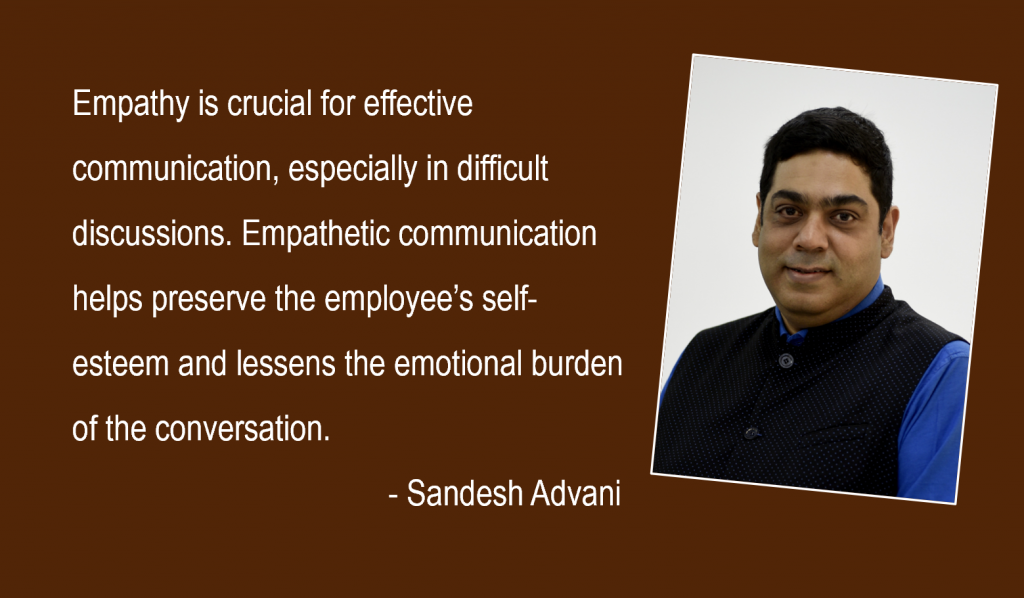
Empathy is crucial for effective communication, especially in difficult discussions. To approach the scenario with compassion:
- Acknowledge Contributions: Start the conversation by recognising the employee’s efforts and contributions to the organisation. This helps cushion the impact of the termination and clarifies that the decision is not a personal attack.
- Use Respectful Language: Steer clear of harsh or accusatory remarks. Instead, frame the conversation around how the decision aligns with organisational requirements rather than focusing on the employee’s shortcomings.
- Be Attentive: Permit the employee to share their feelings and concerns. Listen actively without interruptions, demonstrating genuine interest in their perspective.
Empathetic communication helps preserve the employee’s self-esteem and lessens the emotional burden of the conversation.
4. Delivering the Message Clearly and Directly
While empathy is essential, clarity should not be compromised. Employees have the right to comprehend the reasons for the decision as well as the next steps. To accomplish this:
- Be Direct: Communicate the decision early in the conversation to alleviate unnecessary anxiety. For instance, you might say, “I need to inform you that we have made the difficult decision to terminate your employment with us.”
- Provide Specific Justifications: Articulate the reasons for the decision clearly, referencing the documented performance issues or recurring client complaints. Ensure your explanation is factual and not influenced by personal feelings.
- Avoid Negotiation: While it’s important to listen to the employee, steer clear of transforming the conversation into a debate. The decision should be definitive prior to the meeting.
Clarity and directness lessen confusion and help the employee grasp the rationale for the termination.
5. Offering Support and Resources
Termination is a significant life change, and providing support can facilitate the transition for the employee. Consider offering:
- Severance Packages: If applicable, detail any severance benefits, such as final salary payments, accrued leave, or other entitlements.
- Career Transition Assistance: Provide help with job searches, references, or outplacement services. This shows the organisation’s dedication to the employee’s future success.
- Mental Health Resources: Share information regarding counselling services or employee assistance programs (EAPs) to support the individual in coping with the emotional consequences.
Offering tangible support not only aids the employee but also strengthens the organisation’s image as a compassionate employer.
6. Upholding Confidentiality
Maintaining confidentiality is vital for protecting the employee’s dignity and the organisation’s reputation. Managers should:
- Limit Internal Communication: Disclose termination details only to individuals who need to be informed, such as HR or direct supervisors.
- Discourage Speculation: Prevent gossip or speculation among the team. Share any necessary details regarding the employee’s departure in a neutral, professional manner.
- Respect Privacy: Ensure that any sensitive information disclosed during the conversation remains confidential.
By upholding confidentiality, managers can reduce reputational risks and preserve trust within the organisation.
7. Reflecting on the Experience
Following the termination conversation, it is essential for managers to reflect on the experience and identify areas for improvement. This can entail:
- Seeking Feedback: Consult with HR or trusted colleagues to assess the effectiveness of your approach and pinpoint areas for enhancement.
- Reviewing Organisational Policies: Evaluate whether existing policies and procedures sufficiently support employees and tackle performance issues proactively.
- Learning from the Situation: Use the experience to sharpen your communication skills and refine your approach to tough conversations in the future.
Reflection encourages continuous improvement, ensuring that future discussions are conducted with even greater professionalism and empathy.
Conclusion
Difficult discussions, particularly those involving employment terminations, are an unavoidable aspect of managerial duties. By approaching these interactions with empathy, professionalism, and clear communication, managers can lessen the emotional and reputational impact on both the employee and the organisation.
Ultimately, managing terminations with care and respect upholds the employee’s dignity and reinforces the organisation’s values and commitment to ethical practices. A thoughtful approach to these challenging circumstances can cultivate trust, maintain morale, and ensure that all parties leave the experience with their integrity intact.
The views and opinions published here belong to the author and do not necessarily reflect the views and opinions of the publisher.

