

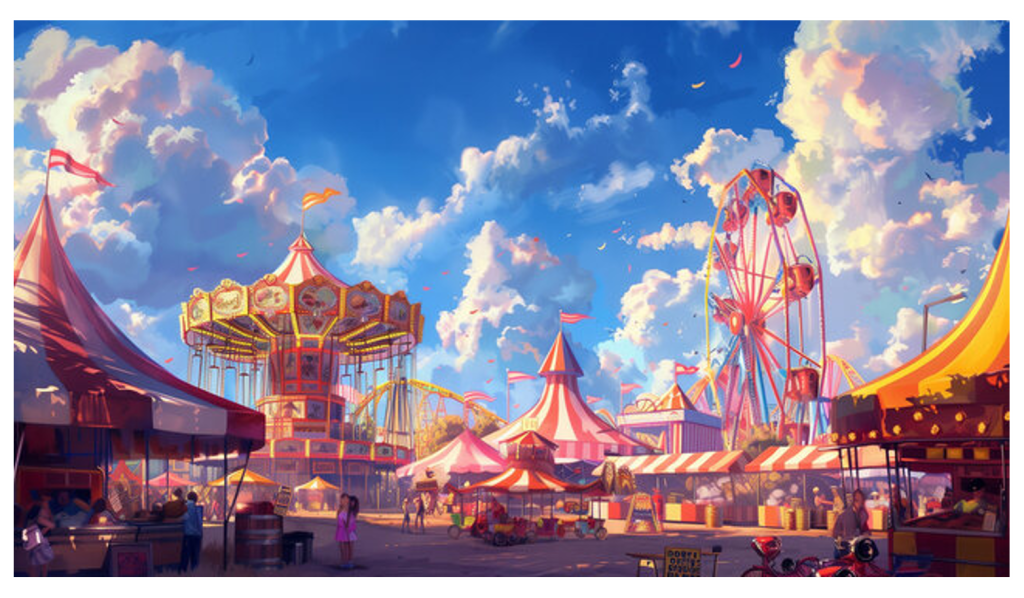
We are in an era when digital interactivity and immersive storytelling have become as important as physical presence. Today, Indian brands are experimenting with virtual and augmented reality (VR/AR) festival experiences, or what we would like to call the “metaverse melas”. This is a well-thought-out PR and brand-engagement move, aligned with major Indian festivals such as Diwali, Durga Puja or Navratri. What used to be paper invites, store decorations and conventional media buys has now become digital “festival zones” where brands claim a new footprint.
An Emerging Trend
Although still nascent, Indian brands have dipped toes into this space. For example, OPPO India’s 2024 Diwali campaign “#VishwasKaDeep” included an interactive microsite where users could explore Diwali celebrations across regions and create AI-driven festive postcards. While it wasn’t a full VR world, it signals the mindset: digital experiential layers atop traditional festival messaging.
What Indian Festivals Offer as a Canvas
- Massive emotional relevance: Diwali = family, light, togetherness; Durga Puja = community, culture, celebration; Navratri = music, dance, regional pride.
- High engagement windows: Brands know festival seasons mean high digital traffic, high social sharing, high consumer spending, so the timing is ideal.
- Cultural cross-regions: Many festivals span geographies but with local flavour; digital experiences allow brands to reach across India with regional adaptation.
- Shareability & story telling: Virtual experiences are inherently more “shareable” (screenshots, avatars, VR clips) which bolsters earned media and social-buzz.
What Brands Are Doing (or Could)
- AR filters & lenses: E.g., smartphone brands create Diwali-themed AR lenses so users can “light” virtual diyas, decorate their space, take selfies and share.
- Virtual festival spaces / metaverse zones: Replica of a traditional mela (fair) in a virtual world, where users can roam, interact, attend live-performances, pick up virtual branded items or experiences.
- 360° video tours: E.g., coverage of Durga Puja pandals via VR or 360° video so users unable to attend physically can still “be” there and brands sponsoring these tours gain premium placement.
- Gaming elements: Garba or Dandiya nights in virtual format during Navratri, where avatars dance in brand-sponsored spaces, with branded rewards or digital collectibles.
Why This is a Smart PR/Communications Move
- Immersive over intrusive: Traditional festival ads can feel like noise in a sea of festive clutter, virtual experiences offer a deeper memory trace.
- Extends reach beyond location: Someone in Chennai, Delhi or even overseas can attend a virtual Durga Puja with brand presence; this amplifies reach.
- Generates buzz on social media: Virtual experiences invite shares, livestreams, user-generated content. That leads to PR pickup.
- Data & engagement tracking: Virtual events can track user behaviour giving measurable ROI for experiential PR.
- Positions the brand as forward-looking: A brand that uses metaverse/AR during traditional festivals signals innovation + cultural sensitivity.
Challenges and Considerations
- Technology accessibility: Since not everyone in India has access to VR equipment or high-end phones, the experience should be designed to work just as well on regular mobile or 2D screens.
- Cultural authenticity: Virtual experiences must respect cultural ethos; a poor digital representation of a sacred festival can backfire.
- Budget vs scale: Metaverse experiences can be costly; brands must ensure the interactive design and user-journey justify PR spend.
- Audience segmentation: Younger digital-native consumers may engage, but older festival-loyalists may prefer traditional modes, brands must integrate both.
Looking Ahead
In 2025 and beyond India is likely to see more sophisticated virtual festival melas. AR filters will tie into in-store/physical campaigns (hybrid). Brands might host regional “mini-metaverses” for each festival, with local language adaptations, avatars in traditional garb, local music, region-specific gamified interactions. The next big leap will be integrating live user-avatars with real-world physical events, a hybrid festival fair where you attend virtually, pick up coupons that redeem in store, or meet a virtual brand ambassador.
For a brand in India today, embracing virtual festival melas is not just about being trendy. It is a strategic PR move, marrying cultural relevance (festival) + innovative format (metaverse/AR) + shareable moment + measurable engagement. Done well, it helps the brand tell a story of tradition + future, which resonates deeply in India’s festival-driven consumer culture.
The views and opinions published here belong to the author and do not necessarily reflect the views and opinions of the publisher.

