
Reputation has become the novel measure of worth across the MENA region. As Gulf economies accelerate diversification, attract global capital and integrate into international markets, a profound shift is taking place: companies are no longer evaluated solely for what they deliver but for what they represent. Perception has become an economic force. Investors are actively rewarding companies that prove they can be trusted and culturally aware. Regulators, too, are elevating firms that align with national agendas and maintain rigorous governance standards. And today’s hyper-informed consumers are choosing brands that feel genuine. Global indicators make this evolution unmistakable. Reputation has emerged as a powerful factor in determining a company’s market worth, proving that trust directly influences financial performance. In a region where business has always been personal, reputation is no longer a communications function; it is emerging as the Gulf’s most powerful determinant of long-term value.
From PR Output to Economic Asset
Across MENA, reputation has moved far beyond the remit of press releases and crisis statements. It now shapes valuation, policy access, partnerships, and long-term stakeholder confidence. Historically, reputation work operated reactively: responding to issues or managing image. In modern times, the forces determining Gulf markets demand something structurally unique. With global investors assessing governance maturity, regulators demanding transparency and consumers elevating expectations, reputation has become a strategic asset. It significantly influences financial and operational outcomes. Organisations with strong reputational foundations are better positioned to enter high-value partnerships, secure institutional financing, and maintain premium standing in competitive sectors.
A Reputation-First Marketplace in the Gulf
The Gulf’s business culture amplifies the economic weight of reputation in distinct ways. Trust remains a foundational currency. It effectively shapes the way deals are formed and sustained. In spaces where personal credibility generally precedes contractual obligation, reputational lapses swiftly erode influence and opportunity.
At the same time, the region is one of the world’s most diverse economic ecosystems. Expatriates make up 88 per cent of the UAE’s population. This multicultural landscape demands consistency of values, communication, and leadership behaviour. Also, culturally intelligent leaders are more likely to succeed in cross-border environments, while organisations in the region with strong cultural alignment record higher engagement. Reputation here functions as both a unifier and a signal of reliability in a complex, globalised workforce.
Why Reputation Now Dictates Market Advantage
Investors, regulators, and consumers across the Gulf region increasingly treat reputation as a proxy for risk. Consistency between stated values and observable behaviour impacts everything. From capital allocation to regulatory comfort, it influences all. A credible reputation accelerates policy access, especially in economies undergoing transformation, where alignment with national visions is essential. It strengthens negotiating power in partnerships, fosters resilience during scrutiny as well as ensures continuity when market conditions shift.
In sectors shaped by transformation, energy transition, fintech, logistics, tourism, and digital services, reputation is becoming a long-term differentiator. It shapes investor sentiment, influences stakeholder loyalty, and determines the pace at which companies can scale. As the region becomes more interconnected with global markets, the premium placed on ethical conduct, transparency, and cultural fluency continues to rise.
Institutionalising a Reputation-First Mindset
For communications leaders, the mandate is no longer simply to protect perception—it is to architect trust. This requires embedding reputation into organisational systems rather than treating it as a narrative exercise. It begins with aligning internal culture with external commitments, ensuring that behaviour supports brand promise. It also demands continuous stakeholder listening, where insight informs decision-making rather than messaging alone.
Reputation today needs measurable structures: cross-functional governance, leadership modelling, and frameworks that track stakeholder sentiment alongside performance indicators. As organisations increase their exposure to global capital and regulatory oversight, communication leaders must guide leaders toward clarity, authenticity, and consistent action. These efforts transform reputation from a reactive shield into a proactive engine of growth.
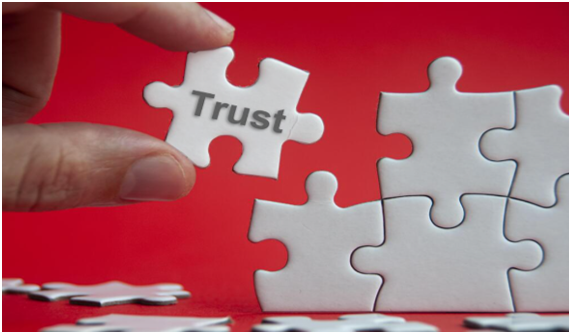
All things considered, a reputation-first mindset is no longer optional in the Gulf. Rather, it is a prerequisite for business sustainability. The forces shaping MENA’s future reward firms that demonstrate integrity, cultural intelligence as well as alignment with national ambition. Trust has become a strategic asset that enhances valuation, accelerates partnerships, and strengthens regulatory confidence. In a market defined by rapid transformation, organisations that invest deliberately in reputation will not only stand out. But they will endure. The region’s next era of growth belongs to those who recognise that reputation is not built through messaging alone but through the consistent delivery of values that stakeholders can believe in.
_____________________________________________________________________________________________________
The views and opinions published here belong to the author and do not necessarily reflect the views and opinions of the publisher.