

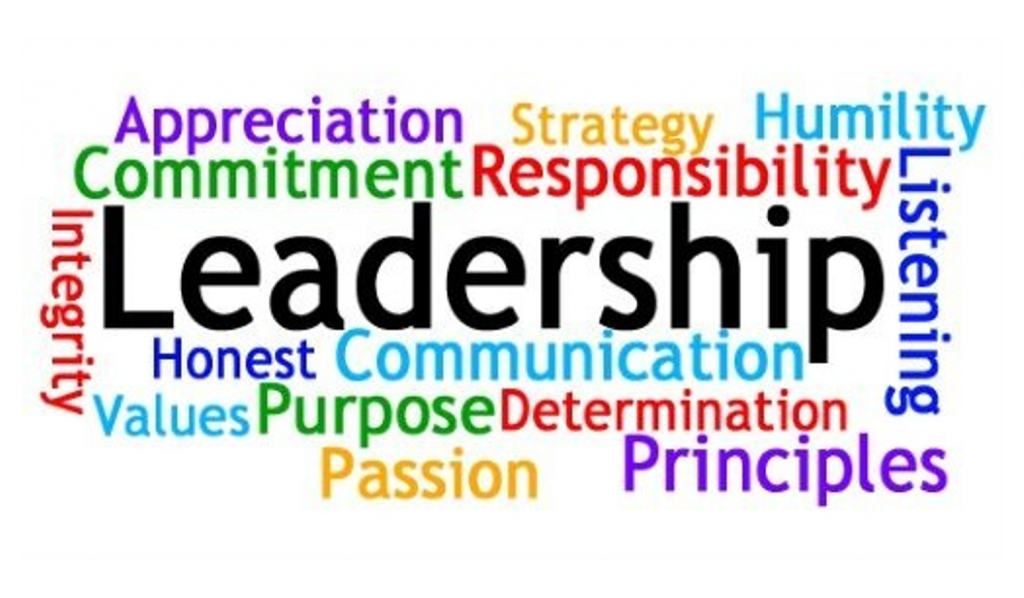
Having my 25th year of work, this is one of my observations that the most effective leaders are those who can walk the razor’s edge between boldness and diplomacy. For C-suite executives, the challenge is not simply to make courageous decisions, but to do so with a level of tact that ensures buy-in, minimises resistance, and sustains organisational momentum. The interplay between bravery and tact is not just a matter of style—it is a strategic imperative, deeply rooted in both psychological science and proven leadership frameworks.
In this piece I share my top 3 nuances that define this delicate balance.
Courageous Vision, Delivered with Empathetic Precision
Bravery in leadership often manifests as the willingness to set a bold vision or make disruptive decisions. However, the true art lies in communicating these decisions with empathy and precision. A leader’s ability to articulate a daring direction while remaining attuned to the emotional and practical realities of their teams is what transforms vision into action.
Research on leadership communication styles underscores the importance of “preciseness” and “supportiveness” in effective leadership. A study found that leaders who communicate with clarity and empathy—balancing directness with support—are rated higher in performance and satisfaction by their teams. This style not only enhances knowledge sharing but also boosts team commitment and motivation.
Executive Example
For instance, Indra Nooyi provides a powerful illustration of this nuance. When she launched PepsiCo’s “Performance with Purpose” strategy, she boldly shifted the company’s direction toward healthier products and sustainability—a move that required challenging the status quo and taking significant strategic risks. However, her approach as I understand, was rooted in deep empathy: she personally communicated with employees at all levels, listened actively to concerns, and crafted her vision to connect with the personal values of her teams. Notably, she wrote handwritten letters to the parents of her executives, acknowledging the role families played in their careers—an act of empathy that fostered immense loyalty and engagement. This blend of courage and empathy not only repositioned PepsiCo for long-term growth but also galvanised the organisation behind a shared, meaningful mission, demonstrating how bold vision delivered with empathetic precision can drive lasting transformation.
Decisive Action, Tempered by Contextual Diplomacy
The second nuance is the ability to act decisively while adapting one’s approach to the context and stakeholders involved. Bravery compels leaders to make tough calls, especially under pressure. Tact, however, requires reading the room—understanding when to push forward and when to build consensus.
Contingency leadership theories and psychological studies on decision-making under stress reveal that the most effective leaders are those who can flex their style. Under pressure, stress can narrow attention and lead to rigid, less effective decisions.
Leaders who maintain clear, consistent, and bi-directional communication during high-stress periods not only make better decisions but also reduce stress and burnout among their teams
This adaptability is a hallmark of emotionally intelligent leadership.
Lets take this instance, during crises, leaders like Chris Stathis, CEO of Global Tech, exemplify this balance. Stathis is known for making swift, bold decisions in turbulent times, but always pairs them with transparent, context-sensitive communication. This approach builds trust and keeps stakeholders aligned, even when the path forward is uncertain.
Authenticity and Consistency: The Foundation of Trust
My third observation is the alignment of brave actions with authentic values, consistently communicated. Tact is not about avoiding hard truths, but about delivering them in a way that is true to one’s principles and consistent across situations. Authenticity breeds trust, and trust is the currency of effective leadership.
Authentic leadership theory posits that leaders who are self-aware, transparent, and values-driven are more effective in navigating complex situations. Scientific studies show that inconsistent leadership—where behavior shifts dramatically under stress—creates insecurity and strain among followers.
Conversely, leaders who maintain authenticity and consistency, even when making tough calls, foster a culture of trust and psychological safety.
Executive Example
Starbucks’ C-suite, in rolling out their Digital Flywheel Strategy, demonstrated this principle. The leadership team made bold, data-driven decisions to transform the customer experience, but did so in a manner that was consistent with Starbucks’ core values of customer focus and community. This blend of authenticity and strategic boldness drove a 10% revenue increase in fiscal year 2021.
The Business Case: Why This Balance Matters
The stakes for mastering the balance between bravery and tact are high. Leadership effectiveness is directly linked to organisational performance: 70% of employee engagement is influenced by leadership, and companies with strong leaders are 2.3 times more likely to outperform competitors financially
Poor leadership, on the other hand, is the primary reason 75% of employees leave their jobs, costing U.S. companies up to $550 billion annually in lost productivity. Moreover, organisations that invest in leadership development—equipping executives with both the courage to act and the tact to communicate—see up to 25% higher productivity and 14% lower turnover
According to me, these metrics are not just numbers; they are a testament to the tangible impact of nuanced, balanced leadership.
Reflection
For today’s C-suite, the thin line between bravery and tact is not a tightrope to be feared, but a path to be mastered. It demands self-awareness, emotional intelligence, and a commitment to authentic, context-sensitive communication. By embracing these three nuances—courageous vision delivered with empathy, decisive action tempered by diplomacy, and authenticity anchored in consistency—executives can inspire trust, drive innovation, and lead their organisations to sustainable success. The future belongs to those who can be both bold and wise, daring and diplomatic. In the words of Satya Nadella, “Empathy makes you a better innovator.” In leadership, it also makes you a better navigator of the thin line that separates bravery from tact.
The views and opinions published here belong to the author and do not necessarily reflect the views and opinions of the publisher.

