

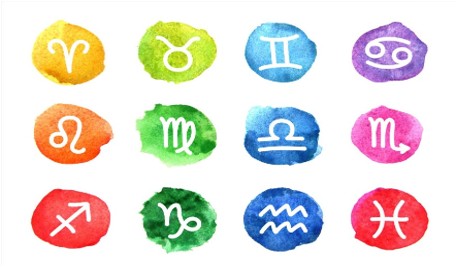
January has a peculiar power. It turns rational, fully grown adults into part-time astrologers.
People who would never read the fine print of an offer letter will happily consume 1,000 words on “Mars in the 10th house” with monk-like focus. We begin the year armed with planners, protein powders, and predictions. We join gyms. We buy journals. We forward that one reel that confidently announces, “2026 is the year you cut off energy vampires.” And then, sometime between a budget review and a family lunch, we quietly Google: “What does Bejan Daruwala say about my sun sign?”
This is human nature. Categorizations helps reduce complexity into something usable. A single phrase stands in for a broader pattern of behaviour. Over time, these shorthand explanations become familiar, even comforting.
“I’m impatient because I’m an Aries.” “I’m overthinking because I’m a Virgo.”
Here’s the uncomfortable truth for brand leaders – the same mechanism applies to brands.
Customers rarely retain feature lists, positioning statements, or campaign messages in full. What tends to remain is an impression or a sense of character. Brands are remembered less for what they say and more for how they consistently show up. Consumers remember whether the brand sounded like a wise friend, a mischievous cousin, a strict principal, or the neighbour aunty who offers halwa and life advice in the same sentence.
In brand strategy, this is a well-established framework known as brand archetypes. These are twelve recurring personality patterns that show up across cultures and categories.
The Linda Goodman of brands will coin these archetypes as Brand Sun Signs or Brand Zodiacs. Seen through this lens, archetypes align into four broader personality groups. These archetypes function as behavioural anchors rather than messaging devices.
Fire Signs: Brands That Ignite Action
Fire brands don’t enter quietly. Expressing action and energy they arrive with theme music.
The Magician promises transformation. These brands thrive on “before and after.” They make you believe change can happen quickly and dramatically because you chose them. Their launches feel like reveals, their experiences like sleight of hand performed inches from your eyes. Apple’s product events and Coca-Cola’s ability to bottle happiness both operate here.
The Hero sells challenge. These brands speak the language of grit, ambition, and excellence. You’re not buying a shoe; you’re buying a better version of yourself. Nike is the global textbook, but in India, this energy surfaces wherever brands frame progress as conquest in fitness, education, and careers.
The Outlaw exists to disrupt. These brands polarize by design. Netflix and Diesel embody this archetype globally. In India, many fintech and D2C brands flirt with this energy – though not all survive the responsibility that rebellion demands.
Earth Signs: Brands That Build Trust
Earth brands don’t shout. They create stability through consistency.
The Ruler sells control and authority and they expect respect. Their design language is clean, premium, and unbothered. Rolex and Mercedes define the archetype.
The Creator obsesses over craft. These brands attract builders or people who want to design, make, and express. Adobe, Canva and LEGO fit perfectly. In learning, design, and technology ecosystems, the product isn’t the hero; the output is.
The Caregiver reduces anxiety. These brands reassure and protect. Nivea, FirstCry and Patanjali sit here. In India, healthcare, parenting, and even insurance brands succeed when they lean into this emotional safety.
Air Signs: Brands That Shape Thinking
Air brands influence how ideas are understood.Their power is perspective.
The Explorer sells freedom and discovery. These brands frame life as a journey – the reward is in the chase kind. Travel platforms, outdoor brands, and education companies that position learning as exploration naturally belong here.
The Sage values truth above noise. Insight is currency. Google, our Eternal, and Tesla earn trust through clarity and restraint. Many B2B brands aspire to this archetype, but discipline is essential as nothing erodes credibility faster than vague thought leadership.
The Innocent believes the world can be kinder. These brands sell optimism without naïveté. Disney for the longest time was the archetype’s purest expression. Dove taps into it when it champions real beauty and gentler ideals.
Water Signs: Brands That Create Belonging
Water brands prioritize relationship over reach and operate through emotional resonance.
The Everyman is accessible and real. These brands become habits because they feel familiar. Amul, Modern Bread, Parachute, Times of India, sits close to this space belonging to everyone while still having a point of view.
The Jester uses humour as strategy. These brands understand culture deeply and invite participation. Fevicol and Zepto’s timely wit works because it feels native, not try-hard.
The Lover sells desire. These brands emphasise sensory experience, beauty, and emotional reward. Beauty, fragrance, hospitality, and weddings live here categories where emotion justifies the invoice.
Akin to checking the horoscope for personal forecast, a reflection with the team on the brand early in the year, helps leaps and bounds. In brand positioning and setting narratives, I have consistently used brand archetype as filters. Once defined, it simplifies hundreds of decisions: how the website speaks, how the sales team behaves, what kind of content should we publish, and which partnerships feel natural. Each application reinforces the same signal. Over time, that signal becomes the brand.
_____________________________________________________________________________________________________
The views and opinions published here belong to the author and do not necessarily reflect the views and opinions of the publisher.

