

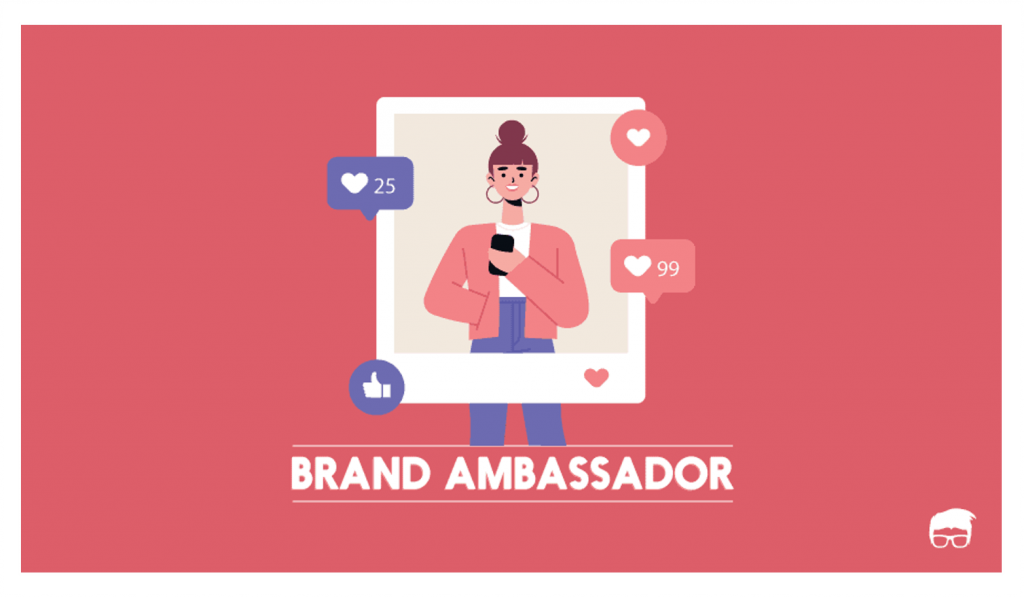
Brand ambassadors are the headliners-glamorous, articulate representation of what you stand for ideally. From George Clooney sipping Nespresso to Priyanka Chopra championing sustainable fashion, a well-chosen ambassador can create magic to a brand. But the question remains: does having a brand ambassador always help elevate communication? The answer: not necessarily.
The Promise of the Ambassador
On paper, the logic is sound. A brand ambassador serves as a human face for your brand – a bridge between your carefully crafted messages and somewhat unsure audience. They can simplify complex narratives, add personality into staid sectors, and help break into new demographics. For example, when UNICEF appoints a celebrity Goodwill Ambassador, the intention isn’t just to look good in press releases; it’s to use the ambassador’s reach to raise awareness, funding, and empathy.
In the age of information overload, where attention is critical, an effective ambassador can help a brand cut through the noise better. They become a walking-talking press release-with much more appeal. But communication isn’t just about visibility. It’s about clarity, consistency, credibility, and connection. And these four Cs don’t always align with a fifth one: celebrity.
The Risks and Realities
While brand ambassadors can give your message wings, they can just as easily weigh it down. Case in point: when an ambassador’s values (or actions) run counter to the brand’s ethos, the damage can be swift and significant. Remember when a certain fast-fashion brand appointed an environmental activist as its ambassador? Social media did not spare …
Moreover, not all ambassadors are created equal. Some have immense star power but limited relevance. Others may be relevant but lack the ability to translate that into meaningful engagement. A popular face does not automatically mean a persuasive voice. In fact, the mismatch between image and impact can result in messaging that feels hollow or, worse, disingenuous.
There’s also the risk of over-reliance. When an organisation leans too heavily on an ambassador to do the communication heavy-lifting, it risks neglecting the development of its own voice and narrative. Therefore, think of brand ambassador as the added cherry on the pie! If your communication strategy lacks substance without them, the problem isn’t the ambassador-it’s the brand.
The Right Fit is Everything
When used thoughtfully, brand ambassadors can be powerful extensions of your story. The key lies in authenticity. An ambassador shouldn’t just echo your values-they should embody them. They should be your brand collaborators and their role isn’t just to represent but to reinforce and amplify messaging in a way that’s credible, creative, and contextually relevant.
A development sector organisation, for example, might not benefit from a star A-lister unless that individual has deep, demonstrable engagement with social causes. For public health campaigns, sometimes the best ambassadors are community leaders or survivors-real people with real stories, not just reels.
So, Does It Always Help?
Not always. Having a brand ambassador is not a guaranteed communication upgrade. It’s a strategic choice that can amplify, dilute, or derail your messaging depending on how well it’s thought through. If you know why you’re appointing one, what they bring to the table, and how they’ll support your broader narrative, they can indeed elevate your communication. Therefore, it is important to choose your ambassadors the way you choose your words: wisely, purposefully, and always in alignment with your message. After all, in communication-just like fashion-it’s not about who you wear, but how well it fits!
The views and opinions published here belong to the author and do not necessarily reflect the views and opinions of the publisher.

