

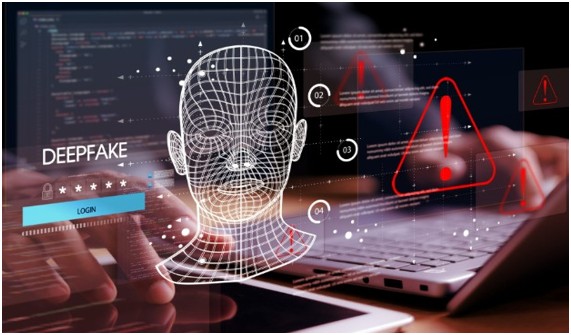
Every generation of PR professionals has faced a new technology that fundamentally changed the reputational risk landscape. The printing press enabled pamphlet wars. The photograph enabled manufactured evidence. The internet enabled instant virality. Each shift required the profession to adapt its frameworks, tools, and counsel.
The next shift is already here, and most organisations are dangerously underprepared for it: the era of synthetic media.
A deepfake is no longer a technical curiosity. It is an accessible, increasingly realistic tool for creating audio and video content that depicts real people saying and doing things they never said or did. In 2025, the processing power required to generate a convincing deepfake of a CEO announcing a false financial result, or of a public figure making a damaging statement, is available to anyone with a standard laptop and an afternoon to spare.
The reputational implications are staggering. We have already seen cases of synthetic audio being used in financial fraud. We have seen AI-generated images inserted into news stories. We have seen entirely fabricated statements attributed to real executives circulated on social media and picked up — briefly — by legitimate news outlets before being debunked. The pace at which this technology is developing suggests the problem will get significantly worse before it gets better.
PR professionals need to be leading the organisational conversation about this risk right now. Not waiting for the IT security team. Not waiting for the first incident. Because when the synthetic crisis hits, the first sixty minutes will be chaos unless there are pre-agreed protocols: how do you authenticate whether a circulating piece of media is real? Who speaks first? What is the initial holding response? How do you reach the platforms and the media to flag false content for rapid review?
Beyond crisis protocols, there is a longer-term reputational strategy question: how do organisations build the kind of communication credibility and audience trust that makes synthetic attacks less effective? The answer, as ever, is consistency, transparency, and genuine relationship. An audience that has received honest communication from an organisation over years is far better equipped to recognise — and reject — a synthetic lie.
This is not a distant risk. It is a present one. And the communications professionals who get ahead of it will be worth their weight in gold.
______________________________________________________________________________________________________________________
The views and opinions published here belong to the author and do not necessarily reflect the views and opinions of the publisher.