

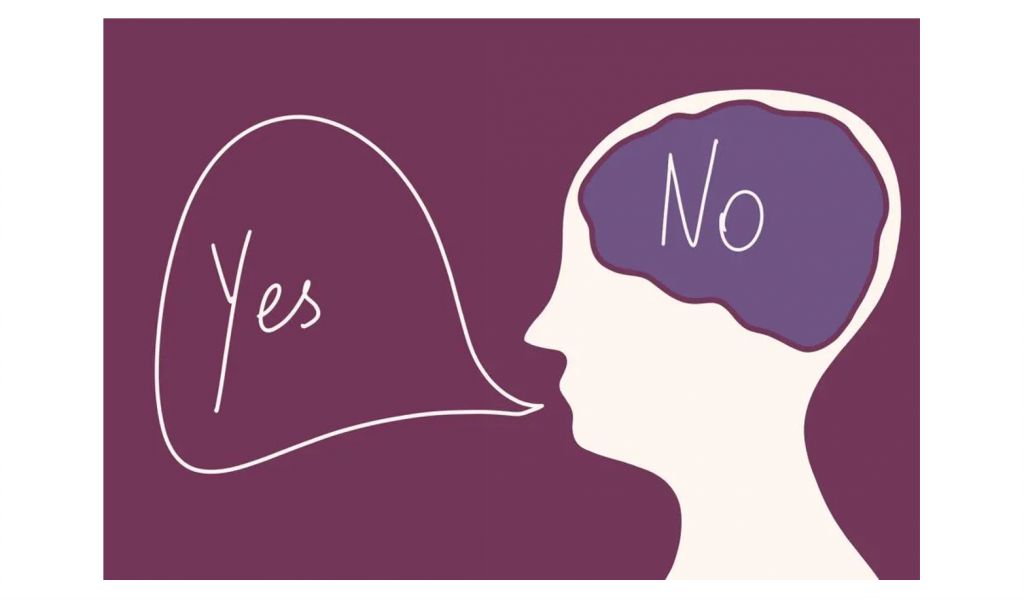
How many us have struggled to say ‘no’ in our jobs?
You are in the throes of work and suddenly there is an unexpected meeting and it is demanded and expected of you as a communicator, to draft a press release. You have multiple tasks at hand and here comes another one. Surely, this can be deferred? So, did you push back and ask for more time or did you take in the additional workload to only sulk in private at the cost of your health and mental well-being?
Unreasonable deadlines are a pain point for communicators. And what about those situations when you are asked to to promote initiatives or campaigns that do not align with organisational values or priorities? As a communications leader do you question its appropriateness of it or quietly do the task that comes your way?
Let us admit – it is challenging to say no and tough to set boundaries. The pressure to accommodate stakeholders can be overwhelming. There can be several reasons why people struggle to say no. The hesitation stems not from a lack of capability but from internalised fears and external pressures. Some common ones are:-
- Fear of Disapproval: The deep-seated need to be liked and accepted often makes people avoid confrontation or rejection.
- Cultural Conditioning: Many cultures, especially in professional settings, equate saying yes with being a team player, making no seem negative or selfish.
- Fear of Missed Opportunities: There is often anxiety that refusing a request might close doors to future chances.
- Guilt: People may feel they are letting others down, particularly in collaborative environments.
- People-Pleasing Tendencies: The desire to avoid conflict and maintain harmony can outweigh personal priorities.
- Overcommitment bias: People overestimate their capacity to deliver, underestimating the long-term cost of overpromising.
Why saying ‘no’ is good for you
While saying no can be uncomfortable, its benefits far outweigh the temporary discomfort. Studies have shown that when you say ‘no’ you can actually focus on tasks that align with your values and goals. This helps you preserve energy and give your best to what you are doing at the moment.
Contrary to what you may think about how it may sound, honest communication builds respect and trust, even if it involves declining a request. Your relationship with your manager and team may actually strengthen! When they see you prioritising your own needs and acting alignment with your principles, it creates a sense of bonding. Authenticity is a powerful lever for success.
When you say no, you are also able to manage your workload and stress. This fosters long-term productivity. Needless to say, less distractions mean you can allocate resources to what truly matters and in the process also reduce burnout. This in turn demonstrates your maturity, signals your clarity of purpose and leadership and showcases your confidence in decision-making. Leaders who prioritise strategically gain respect and authority over time.
Learn to say ‘No’
As a communicator you are no stranger when it comes to operating in high-pressure environments where you juggle multiple stakeholders, deadlines, and narratives. The nature of your work often requires balancing strategic alignment with immediate demands, making it imperative to set boundaries. Hence, learning to say no effectively is very important.
- Be Clear and Respectful: Communicate your reasons concisely, ensuring the tone remains collaborative.
- Offer Alternatives: Provide solutions that address the stakeholder’s needs without compromising your priorities.
- Reframe the Narrative: Emphasise the benefits of your decision.
- Build Credibility: Consistently demonstrate strategic thinking so that pushback is seen as thoughtful rather than obstructive.
- Practice Empathy: Acknowledge the stakeholder’s challenges while standing firm on your boundaries.
Saying no is not an act of defiance but a strategic decision to protect what truly matters.
By mastering the art of saying no, as a communication leader you not only protect your bandwidth but also set an example for your team.
The views and opinions published here belong to the author and do not necessarily reflect the views and opinions of the publisher.

