

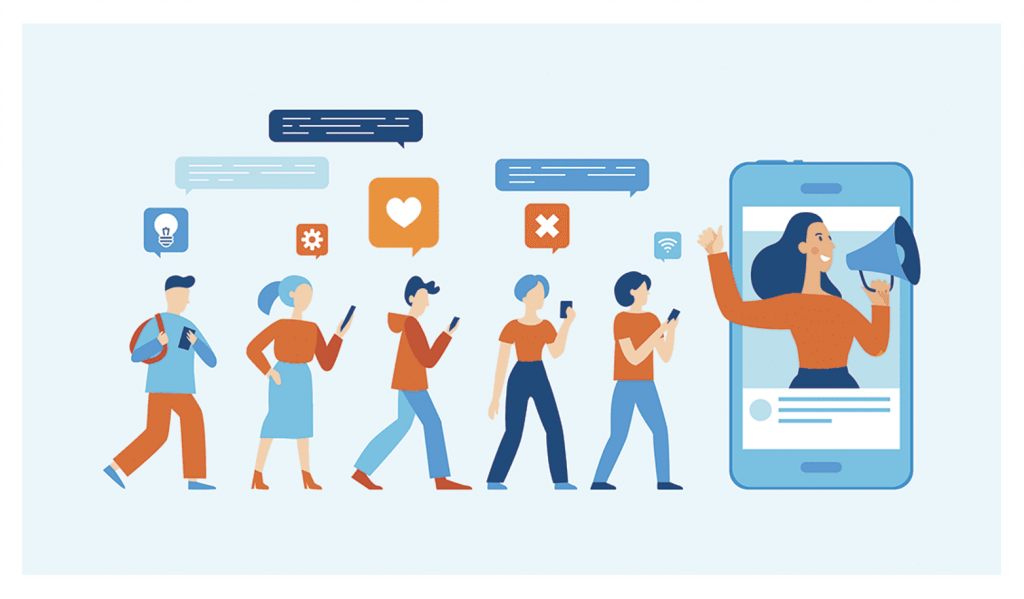
The influencer game is no longer limited to glamorous Instagrammers or YouTubers with perfectly curated feeds. Increasingly, brands are looking for relatable faces in unexpected places — uniforms. From police officers with a knack for memes to delivery partners who bring more than just your order, these new age “influencers in uniform” are emerging as some of the most trusted and impactful public communicators.
Why Uniforms Work
Uniforms possess an in-built credibility. Whether it’s a teacher, a police constable, or a courier partner, the person already represents an institution. That institutional trust, when combined with a personal voice, can be incredibly powerful in breaking through the noise of endless marketing messages.
The shift towards such representation is a response to what marketing experts have been pointing out for years — the audience today values relatability over aspirational gloss. A relatable figure, speaking in a familiar tone, is more likely to influence behaviour than a high-profile celebrity in a scripted ad.
Mumbai Police: The Masters of Meme Communication
Perhaps the most famous Indian example of uniformed influencer power comes from the Mumbai Police’s social media team. Over the past few years, their Twitter (now X) and Instagram handles have become benchmarks for witty, real-time communication.
From referencing Netflix hits like Sacred Games in crime-prevention posts to cheeky memes about traffic rules using pop culture, the Mumbai Police have turned a once-dry government communication channel into an engaging platform that people actively follow.
For instance, their post saying “Don’t make us say ‘Kabhi kabhi lagta hai ki tum traffic signal ho… kyunki tum red light mein bhi rukte nahi’” not only grabbed laughs but also subtly reinforced traffic discipline.
The takeaway? Authority + humour = viral public messaging.
Teachers as Brand Ambassadors
Educational institutions and edtech companies have also realised the potential of featuring real teachers as the faces of campaigns. Teachers carry an inherent authority and trust, and when they share learning tips, endorse a tool, or narrate success stories, audiences perceive it as authentic guidance rather than a sales pitch.
During the pandemic, several learning platforms used their own faculty to address students on social media, offer quick revision hacks, or share motivational snippets. The result? Students felt seen and heard by someone they already respected, making engagement rates soar.
The Human Touch in Corporate Messaging
What unites these examples is the power of humanising an institution. A uniform often implies formality, but when the person wearing it uses humour, storytelling, or empathy, the impact is amplified.
A courier partner talking about safe delivery practices, a police officer explaining cyber fraud prevention through a trending meme, or a teacher giving bite-sized career advice on LinkedIn — these aren’t just campaigns. They’re trust transactions.
The PR Payoff
For PR professionals, tapping into influencers in uniform offers a double advantage:
- Built-in credibility – The uniform signals authority and authenticity.
- Viral potential – The unexpected combination of authority with a casual, relatable tone often sparks online shares.
However, this strategy isn’t without its challenges. There are ethical considerations, especially when public servants are involved. Clear boundaries need to be maintained between personal expression and institutional communication.
What’s Next?
As brand fatigue from traditional influencer marketing sets in, expect to see more creative collaborations with people in uniforms — not to commodify their work, but to leverage their unique position in our lives.
Imagine a railway ticket examiner sharing quick travel safety tips sponsored by an insurance brand, or a hospital nurse giving friendly health hacks in partnership with a wellness company. The possibilities are endless — provided the campaigns stay authentic and respectful.
Bottom line: In a world drowning in polished influencer content, the raw honesty of a uniformed voice can cut through. It’s not about making them actors; it’s about letting them be who they are — trusted, approachable, and already part of our daily stories.
The views and opinions published here belong to the author and do not necessarily reflect the views and opinions of the publisher.

